
Kevin Warsh Set to Lead the Fed: What the Policy Shift Means for Investors
Kevin Warsh takes over as Fed Chair on May 15. His policy differences with Powell signal a rate path shift that affects bond and equity allocation.
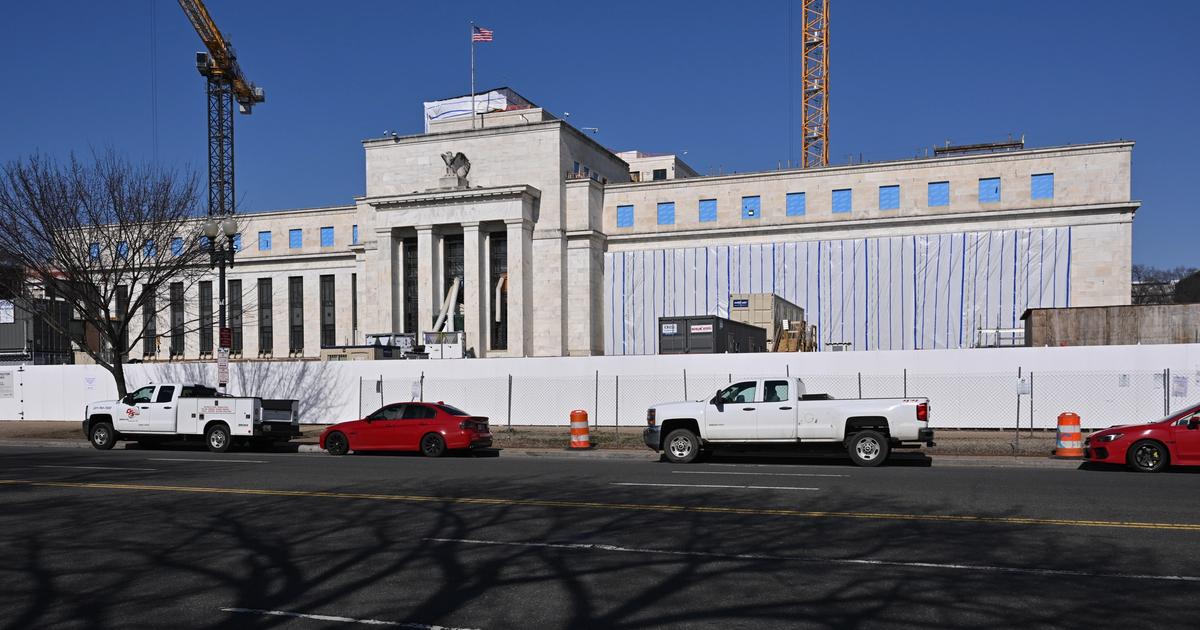
The US Senate Banking Committee advanced Kevin Warsh’s nomination as Federal Reserve Chair in an April 29 vote that split 13-11 along party lines, the first fully partisan committee vote in the history of the position. The full Senate is expected to confirm him during the week of May 11, giving Warsh the keys to the Fed ahead of Jerome Powell’s term ending on May 15. His first FOMC meeting as chair is scheduled for June 16–17.
What Warsh Brings to the Fed
Warsh has signalled several departures from the Powell era that investors are watching closely:
- Balance sheet approach: Warsh has called the Fed’s bond-buying programme “unhelpful” to its dual mandate and intends to accelerate balance sheet reduction rather than maintain current holdings of long-term government bonds and mortgage-backed securities.
- Inflation target flexibility: Unlike Powell’s strict 2% anchor, Warsh has indicated he may not maintain a hard numerical target. Economists warn this opens the door to sustained rates at current levels or higher.
- Press conference format: Powell held press conferences after every FOMC meeting, providing consistent forward guidance. Warsh did not commit to continuing this practice during his confirmation hearing.
- Rate cuts timeline: Despite pressure from the Trump administration for rapid easing, Warsh is not considered a guaranteed rate-cut advocate. Fed funds futures now price in zero cuts for the remainder of 2026.
Why It Matters for Portfolio Positioning
The transition has direct implications for asset allocation. Fixed income is the most exposed asset class: if the Fed’s informal inflation tolerance rises, bond investors face a longer period of elevated yields before seeing price appreciation. The Bloomberg US Aggregate Bond Index has returned just +0.18% year-to-date through the week ending May 1.
For equity investors, the no-cuts backdrop is not uniformly negative. Sectors with real pricing power, including energy and commodities, benefit from the inflationary environment. Higher long-term rates continue to apply pressure to unprofitable growth companies, even as the largest technology names reported strong first-quarter earnings that carried the S&P 500 to a new all-time high in late April. Markets gave back those gains on May 4 as Middle East escalation pushed Brent crude above $114 per barrel.
Warsh’s confirmation process has drawn broader attention. The 13-11 partisan vote was the first of its kind in Senate Banking Committee history, and former Fed economists have raised concerns about the politicisation of an institution that markets have long relied on as independent. Whether Warsh can maintain credibility while managing political pressure will be a key variable for fixed income markets through the rest of 2026.
The combination of sticky inflation, no rate cuts, and oil-driven volatility reinforces the case for diversification across uncorrelated asset classes, including private markets and alternatives.
What to Watch
The June 16–17 FOMC meeting will be Warsh’s first real test. Investors should monitor:
- Whether Warsh holds a post-decision press conference and how explicitly he guides on the rate path
- The pace of balance sheet reduction announced or signalled at the meeting
- Any statement on the Fed’s inflation framework, which could redefine the target that markets have anchored to for years
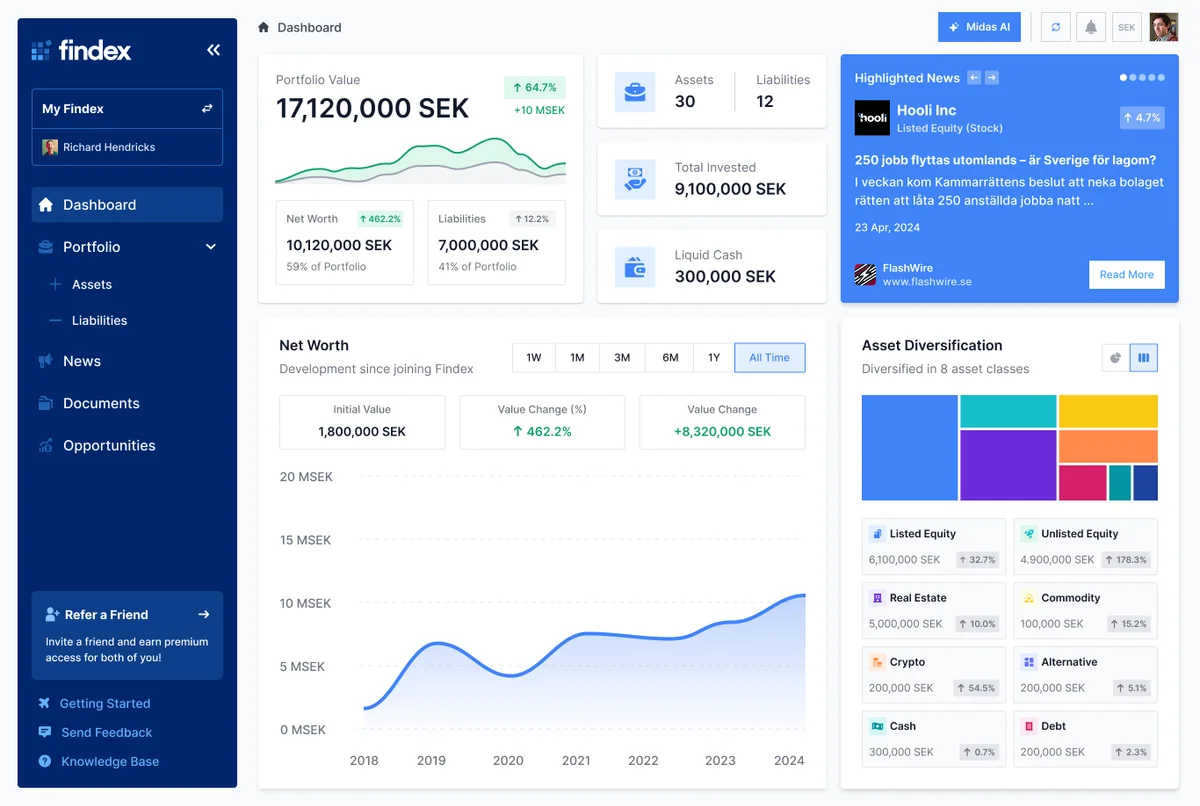
Investors managing diversified portfolios across bonds, equities, and private markets, whether in Nordic accounts or internationally held funds, will want to observe these signals before adjusting allocations in the second half of 2026. Platforms that consolidate cross-asset holdings in a single view make monitoring allocation shifts more practical when macro signals change this quickly.
Keep reading
Related trends
RBA Raises Cash Rate to 4.60%, a 15-Year High, on Energy-Driven Inflation
The Reserve Bank of Australia raised its cash rate 25bp to 4.60%, a 15-year high and its fourth hike of 2026, citing energy-driven inflation risks.
Oil and Bond Yields Surge as Trump Rejects Iran's Hormuz Proposal
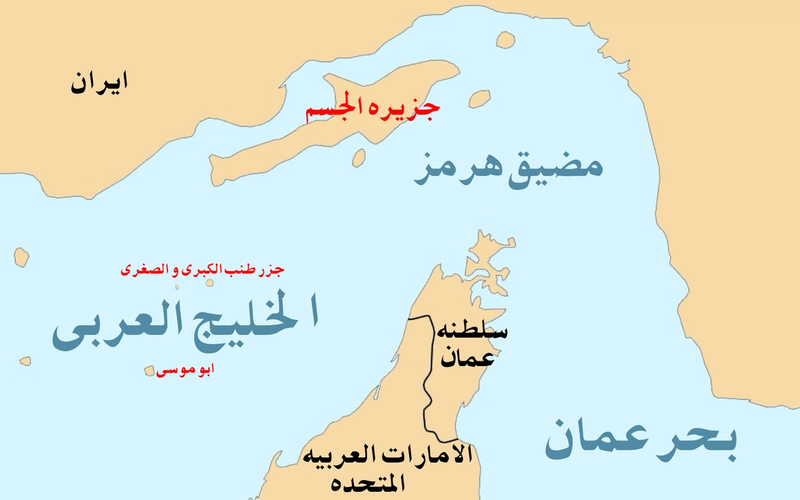
Trump's rejection of Iran's Hormuz proposal sent oil toward $107 a barrel and pushed the 10-year Treasury yield to its highest level since 2007.
Global Bond Selloff Pushes 30-Year Treasury Yield to Highest Since 2004
A worldwide bond selloff has pushed US 30-year Treasury yields to their highest since 2004, driven by inflation, deficits and rising oil prices.
Your complete net worth, finally in one place.
Join investors using Findex to consolidate, track, and grow their portfolios. One view of everything you own.
No payment information required.