
ECB Expected to Hold April 30 as Middle East Shock Reshapes Inflation Outlook

The European Central Bank is expected to leave its three key interest rates unchanged at its April 30 meeting, according to market pricing reported by CNBC on April 16. A June hike is now being priced in, following an ECB warning of a "layer cake of shocks" tied to the Middle East conflict and energy markets.
What the ECB is expected to do
At its last meeting on March 19, the Governing Council held all three key rates:
- Deposit facility: 2.00%
- Main refinancing operations: 2.15%
- Marginal lending facility: 2.40%
Current futures pricing points to a hold on April 30, followed by a shift to a hike at the June meeting. The ECB Watch Tool and Equals Money calendars both list April 29-30 as the meeting dates. Bundesbank president Joachim Nagel told reporters the council is "not pre-committing to a particular rate path," reinforcing the data-dependent, meeting-by-meeting stance the ECB has held since late 2025.
Why the Middle East shock matters
The ECB revised its 2026 headline inflation forecast higher at the March meeting, citing energy cost pressure from the ongoing conflict in the Middle East. The updated projections:
- 2026 headline inflation: 2.6% (up from the prior estimate)
- 2027: 2.0%
- 2028: 2.1%
For European investors, the significance is in the reaction function. It has flipped from "cutting toward neutral" to "holding and watching for a hike." The euro area's path back to the 2% target is no longer a clean downward glide. It depends on how energy prices evolve and whether current supply shocks prove temporary or persistent.
Equity and fixed-income portfolios exposed to rate-sensitive sectors such as utilities, real estate, and long-duration bonds face a different base case today than they did two months ago. Swedish and other Nordic investors with EUR-denominated private market commitments also need to factor in a potentially longer euro-rate hold, which affects fund-level IRR assumptions.
What to watch next
Three markers will determine whether the June hike pricing holds:
- Brent crude and European gas forwards. Any sustained move above Q1 averages tilts the ECB hawkish.
- Eurozone core inflation print on May 22. This is the last major data point before the June 4 meeting.
- ECB speaker guidance after April 30. Nagel, Lagarde, and the chief economist have been the most active in signalling the reaction function.
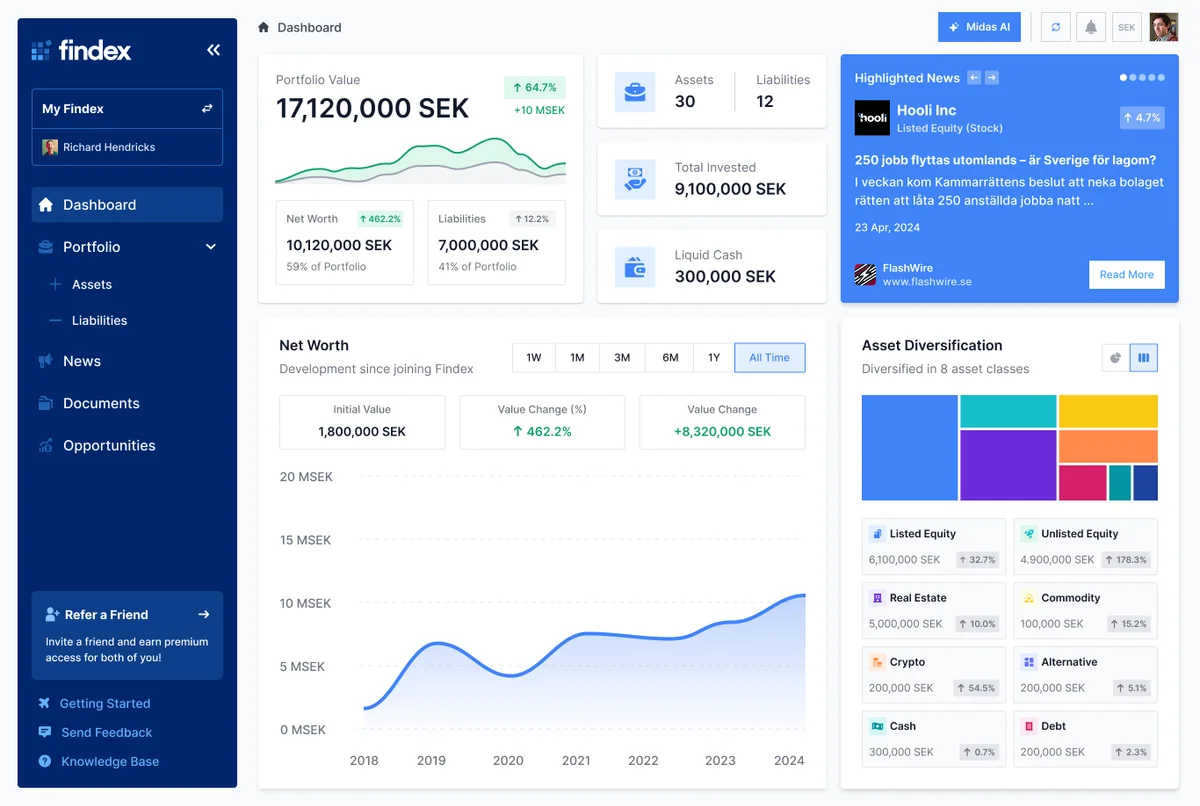
A single data surprise could collapse the June hike pricing. The direction of travel, from cuts to holds to possible hikes, is itself the news. Wealth platforms that consolidate EUR-denominated holdings across banks and brokers make monitoring duration exposure and currency impact practical without rebuilding spreadsheets.
Keep reading
Related trends
RBA Raises Cash Rate to 4.60%, a 15-Year High, on Energy-Driven Inflation
The Reserve Bank of Australia raised its cash rate 25bp to 4.60%, a 15-year high and its fourth hike of 2026, citing energy-driven inflation risks.
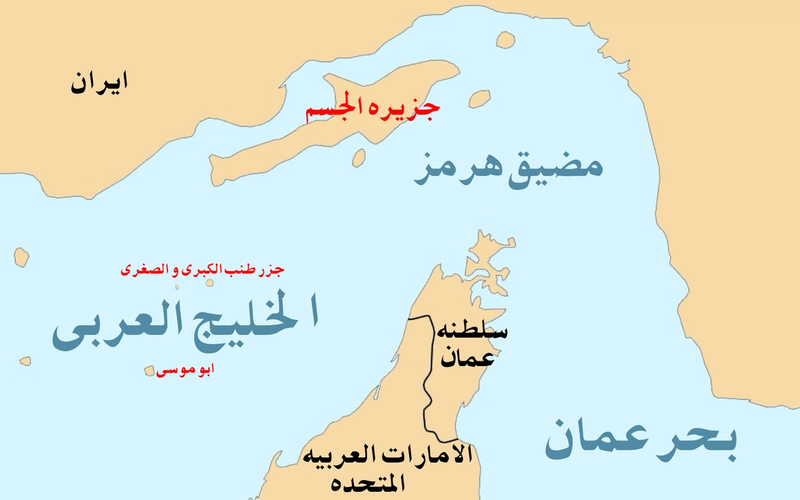
Oil and Bond Yields Surge as Trump Rejects Iran's Hormuz Proposal
Trump's rejection of Iran's Hormuz proposal sent oil toward $107 a barrel and pushed the 10-year Treasury yield to its highest level since 2007.
Global Bond Selloff Pushes 30-Year Treasury Yield to Highest Since 2004
A worldwide bond selloff has pushed US 30-year Treasury yields to their highest since 2004, driven by inflation, deficits and rising oil prices.
Your complete net worth, finally in one place.
Join investors using Findex to consolidate, track, and grow their portfolios. One view of everything you own.
No payment information required.