
European Equities Slip as Hormuz Stalemate Pushes Brent Above $107
European equities fell as the Strait of Hormuz stalemate pushed Brent above $107, driving sector rotation and reshaping ECB and Riksbank policy expectations.
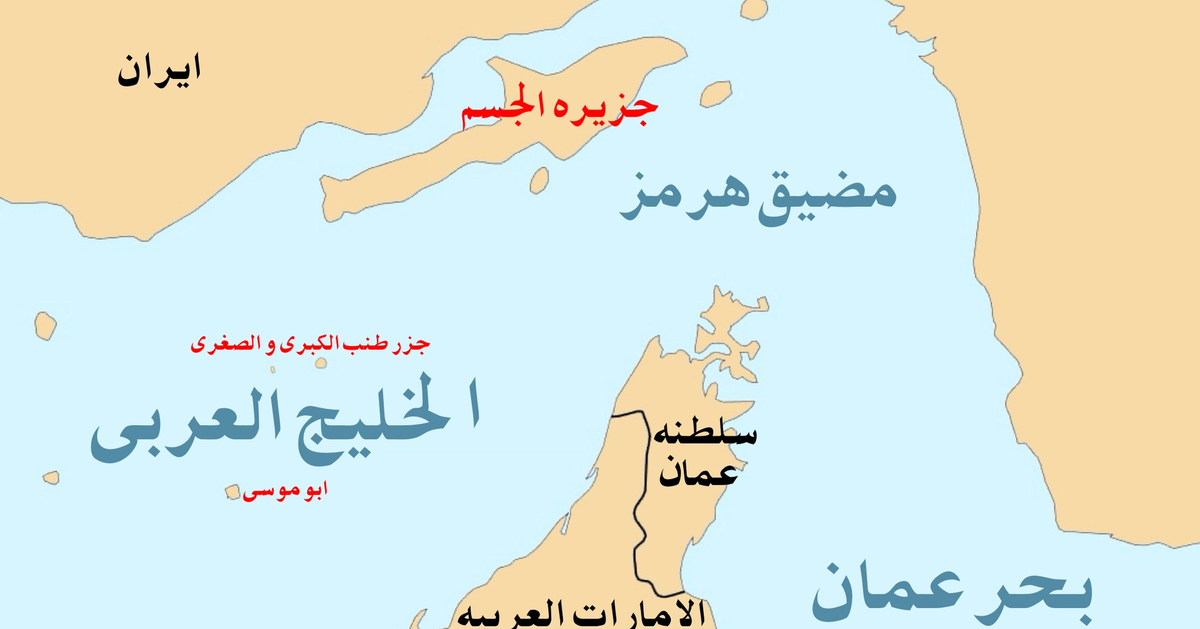
European stock indices opened lower on Monday as stalled US-Iran peace talks kept the Strait of Hormuz effectively closed, pushing Brent crude above $107 a barrel. The FTSE 100 fell 0.4 percent, the CAC 40 dropped 1.1 percent, the DAX shed 1.3 percent and Italy's FTSE MIB lost 1.2 percent in early trading.
The energy shock is now in its ninth week. The IEA has called it the biggest supply disruption on record. Brent has risen more than 55 percent since the Iran war began, peaking near $120 before retreating to the current range.
What happened
Iran submitted a fresh proposal to Washington over the weekend offering to reopen the Strait of Hormuz and pause the conflict, while pushing for nuclear talks to be deferred. Markets initially priced in a softer outcome, then reversed as US officials signalled the proposal was unlikely to be accepted in its current form.
Key moves on Monday:
- Brent crude: $107 a barrel, up from $91 in mid-April
- European indices: all four major benchmarks in the red
- US futures: S&P 500 flat, Nasdaq down 0.2 percent
- Asian markets: Japan's Nikkei closed at a record 60,537, Korea's Kospi at 6,615
The divergence reflects sector composition. Asian indices are tilted toward semiconductors and exporters benefiting from a weaker yen and won. European indices carry heavier weightings in industrials, automakers and energy-sensitive consumer names.
Why it matters for portfolios
A sustained Brent price above $100 reshapes portfolio outcomes. Three effects are visible already:
- Inflation reset. Eurozone headline CPI is climbing again on energy pass-through, raising the cost of holding cash at current ECB rates of 2.00 percent on the deposit facility.
- Sector rotation. Defence and energy stocks have outperformed broader European indices by double digits since February. Consumer discretionary and travel names are down sharply on demand concerns.
- De-grossing. Both institutional and retail flows show position trimming across crowded trades, which adds short-term volatility to otherwise diversified portfolios.
For investors holding a multi-asset book across Nordic and European banks, the visible impact is uneven. A single brokerage view rarely captures the full picture when energy and defence names sit in one account, ETFs in another, and pension assets in a third.
What to watch this week
The ECB Governing Council meets on April 29. Markets are pricing a hold at 2.00 percent on the deposit facility, with the bigger question being how President Lagarde frames the trade-off between stickier inflation and slowing growth. A timeline of 50 basis points or more in further hikes by year-end is now the majority view among traders.
The Riksbank publishes its next monetary policy decision on May 13, with the policy rate at 1.75 percent. Sticky inflation imported through energy may force a more cautious tone after the on-hold message in March.
OPEC's next ministerial meeting and any concrete signal on Iran nuclear negotiations will set the near-term direction for Brent. A confirmed reopening of the strait could pull oil back below $90 within days. A continued stalemate keeps prices structurally elevated.
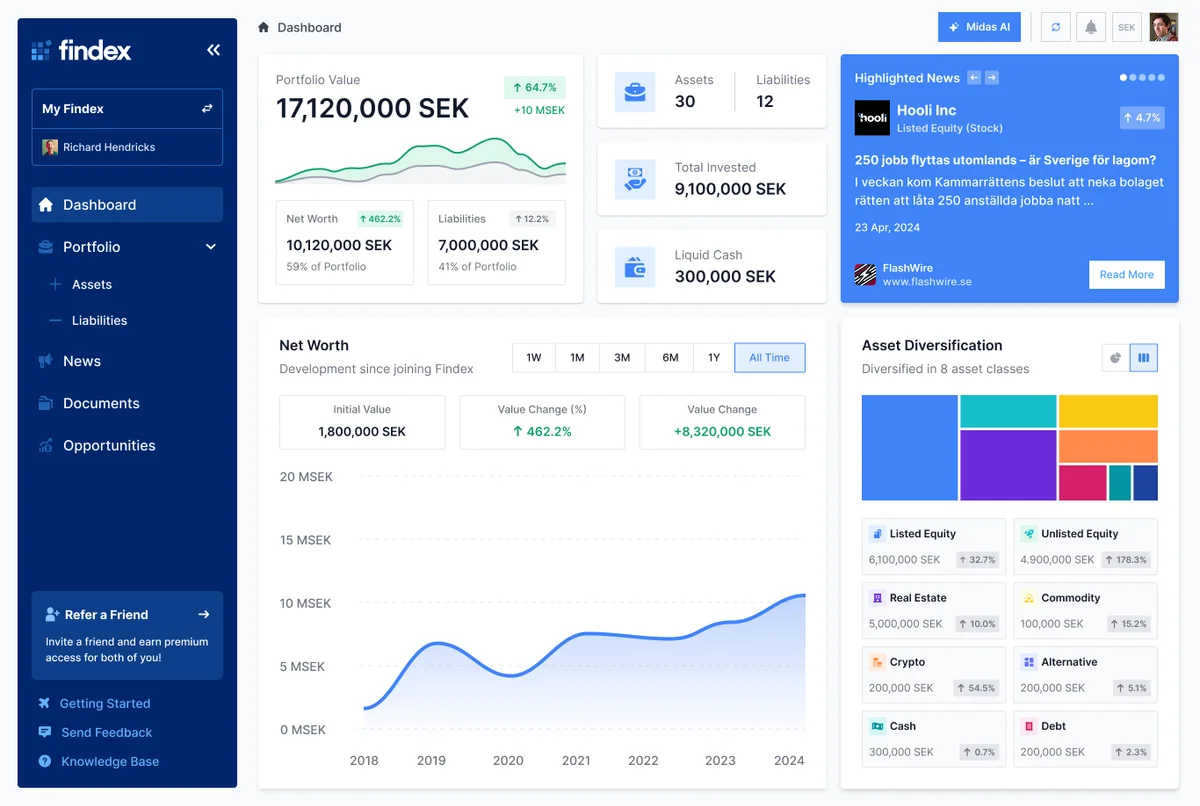
Portfolio trackers that consolidate holdings across providers make monitoring sector and currency exposure during a shock like this practical, particularly for investors with positions across multiple Nordic and European banks.
Keep reading
Related trends
RBA Raises Cash Rate to 4.60%, a 15-Year High, on Energy-Driven Inflation
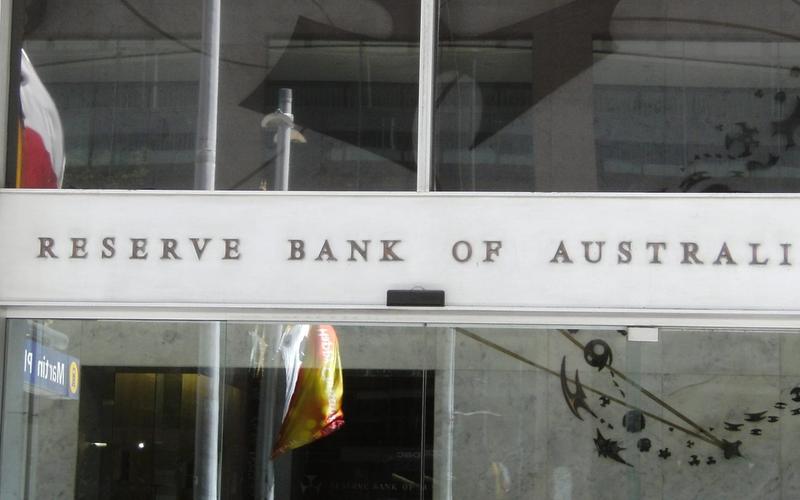
The Reserve Bank of Australia raised its cash rate 25bp to 4.60%, a 15-year high and its fourth hike of 2026, citing energy-driven inflation risks.
Oil and Bond Yields Surge as Trump Rejects Iran's Hormuz Proposal
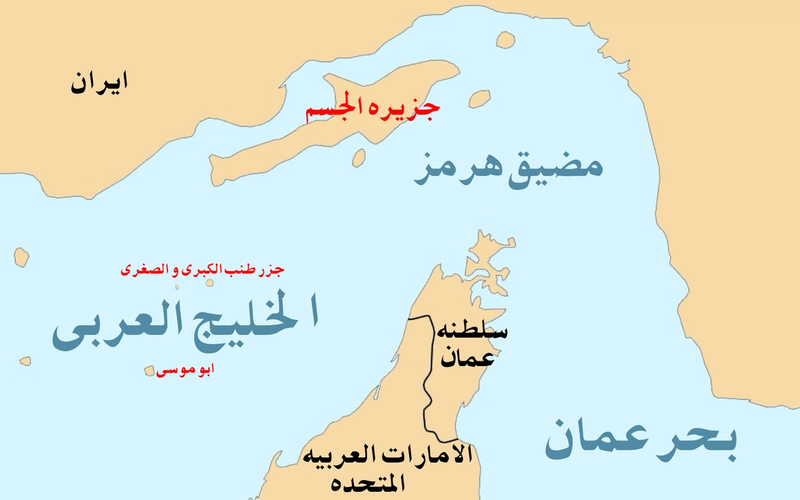
Trump's rejection of Iran's Hormuz proposal sent oil toward $107 a barrel and pushed the 10-year Treasury yield to its highest level since 2007.
Global Bond Selloff Pushes 30-Year Treasury Yield to Highest Since 2004
A worldwide bond selloff has pushed US 30-year Treasury yields to their highest since 2004, driven by inflation, deficits and rising oil prices.
Your complete net worth, finally in one place.
Join investors using Findex to consolidate, track, and grow their portfolios. One view of everything you own.
No payment information required.