
European Stocks Wobble as Iran Talks Collapse and EU Auto Tariffs Rise to 25%
Trump rejected Iran's counterproposal and confirmed EU car tariffs at 25%, leaving the Stoxx 600 flat to mixed. EU autos and energy face the most pressure.

European equities opened flat to mixed on Monday after US President Donald Trump rejected Iran's counterproposal for a peace deal and Washington confirmed EU car tariffs at 25%, adding two layers of uncertainty to investors tracking European and multi-asset portfolios.
What Happened
Trump described Iran's counterproposal, submitted on Sunday, as "totally unacceptable." Tehran had demanded an immediate end to hostilities, the lifting of US sanctions, the release of frozen assets, and US recognition of Iranian sovereignty over the Strait of Hormuz. Nuclear discussions were pushed to a separate track. Washington insists those negotiations remain part of any final agreement.
European market futures reflected the stalemate. The pan-European Stoxx 600 opened broadly flat. The FTSE 100 gained 0.15%, while Germany's DAX and France's CAC 40 were unchanged. Italy's FTSE MIB slipped 0.13%.
The second pressure is trade. Trump raised tariffs on EU cars and trucks to 25% in early May, accusing Brussels of failing to comply with a trade framework signed last July. He has set a July 4 deadline for the EU to ratify the deal or face further escalation. Trade negotiators are scheduled to meet in Strasbourg on May 19.
Why It Matters for Investors
The two shocks pull on European equity portfolios in overlapping ways.
EU auto stocks are the most direct casualty. Volkswagen, Stellantis, and BMW derive significant revenue from US sales. A 25% tariff on exports compresses margins and, for manufacturers that shift production to the US, reduces near-term capital returns on existing European facilities.
Energy positions require separate attention. Brent crude has swung sharply through the Iran negotiations, dipping below $100 per barrel during de-escalation optimism before recovering as talks stalled again. The Strait of Hormuz handles roughly 20% of global oil trade. Sustained disruption to that route feeds into energy inflation across equity, bond, and multi-asset portfolios.
The ECB held its deposit rate at 2% at the March meeting, citing the Iran conflict as a source of "significantly more uncertain" inflation risk. The next governing council decision is June 11.
Key figures for the week:
- EU car tariff: 25%
- Brent crude: below $100 per barrel in optimism phases, recovering on deal stalls
- ECB deposit rate: 2%
- Next ECB decision: 11 June 2026
- Next EU-US trade talks: 19 May 2026, Strasbourg
What to Watch
The immediate variables for this week are three.
First, whether Iran revises its position before the US sets a formal deadline. A prolonged standoff is likely to keep oil markets volatile and weigh on energy-exposed portfolios.
Second, the pace of EU-US trade talks ahead of the July 4 deadline. A further tariff step from 25% would extend the pressure on European auto and industrial stocks into H2.
Third, the Kevin Warsh Fed transition in June. Investors holding US assets alongside European exposure are pricing a policy shift with limited central bank guidance available before the handover.
For portfolio holders with exposure to European equities, energy, and bonds, the week opens with unresolved risk in both the Iran and trade tracks, with no near-term resolution visible in either.
Keep reading
Related trends
RBA Raises Cash Rate to 4.60%, a 15-Year High, on Energy-Driven Inflation
The Reserve Bank of Australia raised its cash rate 25bp to 4.60%, a 15-year high and its fourth hike of 2026, citing energy-driven inflation risks.
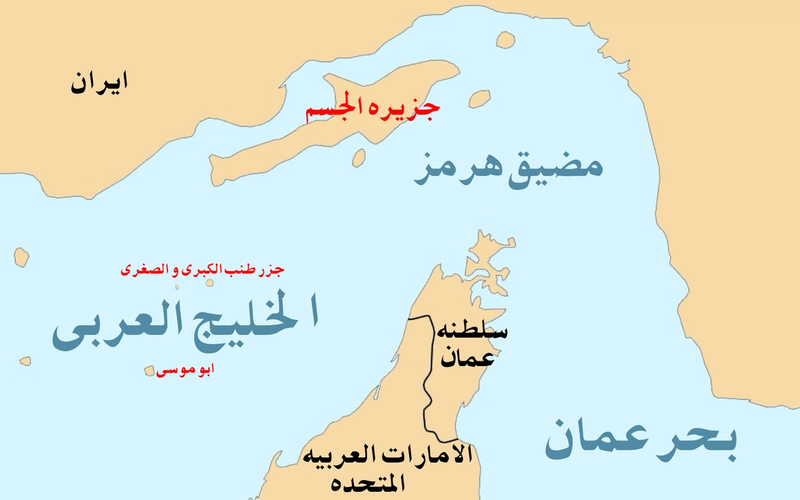
Oil and Bond Yields Surge as Trump Rejects Iran's Hormuz Proposal
Trump's rejection of Iran's Hormuz proposal sent oil toward $107 a barrel and pushed the 10-year Treasury yield to its highest level since 2007.

Global Bond Selloff Pushes 30-Year Treasury Yield to Highest Since 2004
A worldwide bond selloff has pushed US 30-year Treasury yields to their highest since 2004, driven by inflation, deficits and rising oil prices.
Your complete net worth, finally in one place.
Join investors using Findex to consolidate, track, and grow their portfolios. One view of everything you own.
No payment information required.