
June Jobs Report Miss Sends Dow to Record Close as Fed Rate-Hike Odds Fall
US payrolls rose just 57,000 in June, well below the 113,000 forecast, as the Dow closed at a record high on bets the Fed will hold rates steady.
The US economy added just 57,000 jobs in June, well short of the 113,000 economists had forecast, while the Dow Jones Industrial Average closed at a record 52,900.07 on July 2 as investors read the weaker labour market as reason for the Federal Reserve to hold rates steady rather than resume hikes.
What happened
The Bureau of Labor Statistics report showed a broad slowdown beneath the headline miss:
- Nonfarm payrolls: +57,000 versus a 113,000 consensus estimate
- Unemployment held at 4.2%, but only because the labour force participation rate fell to 61.5%, the lowest since March 2021
- April payrolls were revised down 31,000 to 148,000; May was cut 43,000 to 129,000, erasing 74,000 previously reported jobs
- Leisure and hospitality shed 61,000 positions; professional and business services, health care, and social assistance still added jobs
Equity markets split on the news. The Dow rose 594.83 points, or 1.14%, to its record close, while the S&P 500 finished flat at 7,483.24. The Nasdaq Composite fell 0.80% to 25,832.67 as semiconductor stocks, including AMD, Micron, and Intel, extended a multi-day decline that also dragged South Korea's Kospi down 7.9%. Tesla dropped 7% despite beating second-quarter delivery estimates.
Why it matters
A weak jobs report typically lowers the odds of further rate hikes, and traders moved accordingly: the two-year Treasury yield eased as futures markets pulled back their pricing of a July increase. That is a tailwind for rate-sensitive, broad-market names in the Dow. It did nothing for the semiconductor stocks that have carried the Nasdaq for most of 2026, where the sell-off looks more tied to profit-taking after a steep run-up than to interest rate policy.
For investors, the divergence is the story. A portfolio weighted toward large-cap industrials and financials had a strong day; one concentrated in AI-linked chip names did not. Net worth trackers that separate index-level exposure from single-stock concentration make that kind of divergence visible before it shows up as an unpleasant surprise in a monthly statement.
What to watch next
Federal Reserve Chair Kevin Warsh has continued to point to inflation still running above target as the reason to hold off on cuts, even as the labour market cools. The next Employment Situation report, covering July, is due August 7. US markets are closed July 3 for the Independence Day holiday and reopen July 6, when investors will get their first full session to react to the scale of the May and April revisions.
Keep reading
Related trends
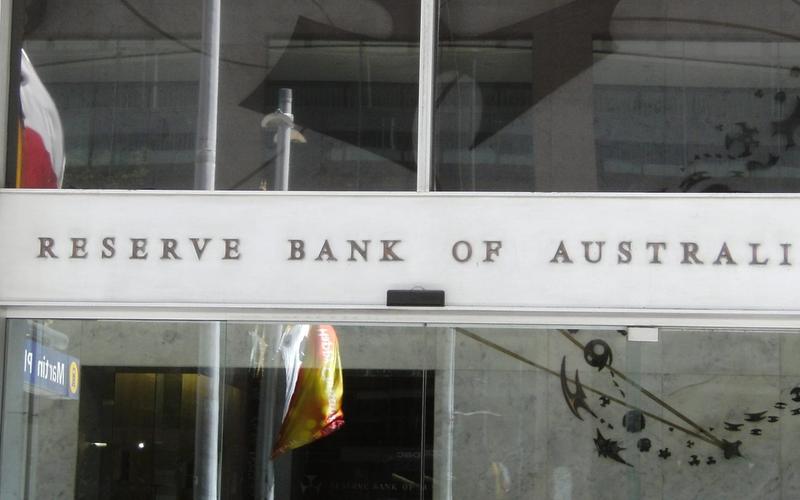
RBA Raises Cash Rate to 4.60%, a 15-Year High, on Energy-Driven Inflation
The Reserve Bank of Australia raised its cash rate 25bp to 4.60%, a 15-year high and its fourth hike of 2026, citing energy-driven inflation risks.

Oil and Bond Yields Surge as Trump Rejects Iran's Hormuz Proposal
Trump's rejection of Iran's Hormuz proposal sent oil toward $107 a barrel and pushed the 10-year Treasury yield to its highest level since 2007.
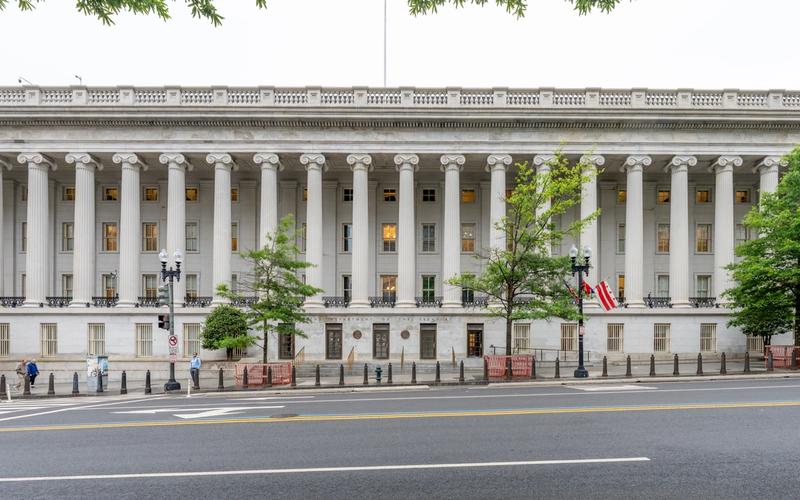
Global Bond Selloff Pushes 30-Year Treasury Yield to Highest Since 2004
A worldwide bond selloff has pushed US 30-year Treasury yields to their highest since 2004, driven by inflation, deficits and rising oil prices.
Your complete net worth, finally in one place.
Join investors using Findex to consolidate, track, and grow their portfolios. One view of everything you own.
No payment information required.