
Oil Spikes and Chip Stocks Slide as Iran Attacks Ships Near the Strait of Hormuz
Iran's attacks on tankers near the Strait of Hormuz sent oil prices sharply higher and deepened a chip stock selloff on Wall Street Tuesday.

Iran struck a Qatari-flagged liquefied natural gas tanker and hit at least two other vessels near the Strait of Hormuz on Tuesday, pushing oil prices sharply higher and adding a fresh geopolitical shock to a Wall Street session already unsettled by a widening chip stock selloff.
What happened
The Qatari tanker Al-Rekayyat was struck while transiting the strait, and a British maritime security agency reported a separate vessel hit by an unidentified projectile, followed by at least one more struck by a drone. Qatar called the attack "unacceptable." In response, the US Treasury's Office of Foreign Assets Control revoked the licence that had allowed Iran to sell oil under a three-week-old ceasefire memorandum, and the US carried out a new round of strikes on more than 80 sites inside Iran.
Oil moved fast on the news:
- Brent crude settled 3% higher at $74.16 a barrel, then jumped to $76.04 after hours
- WTI crude rose 2.8% to $70.44, extending to $72.25 after hours
- Dow Jones Industrial Average slipped 0.25% to 52,925.15
- S&P 500 fell 0.45% to 7,503.85
- Nasdaq Composite dropped 1.16% to 25,818.69
The equity move was compounded by a separate semiconductor selloff. Disappointing quarterly results from Samsung and reports that China's DeepSeek is developing its own AI chip revived investor doubts about the pricing power of established US chipmakers. Micron fell 4.7%, and KLA, Marvell Technology, Broadcom and AMD all closed lower.
Why it matters
The Strait of Hormuz carries roughly a fifth of the world's seaborne oil supply. Any disruption there reprices energy risk across an entire portfolio, not just at the pump: higher crude flows into inflation expectations, inflation expectations flow into rate forecasts, and rate forecasts move both bond yields and equity valuations. The ceasefire reached earlier this year had let oil settle into a narrower range through June. Tuesday's attacks reopen that risk premium at the same time the Federal Reserve is weighing how much further tightening is needed.
For equity investors, the session was a reminder of how concentrated recent gains have been. Chip and AI-adjacent names have driven a large share of index returns over the past year, so a Samsung-triggered wobble in that group has an outsized effect on broad benchmarks even when the rest of the market is calm.
What to watch next
- Ceasefire durability: whether the interim US-Iran agreement holds, or whether further attacks near Hormuz trigger a sustained oil risk premium
- OPEC+ response: if disruption to shipping through the strait persists
- Chip earnings: second-quarter results from Micron and other memory and chip suppliers later this month, which will test whether the DeepSeek-driven pricing concerns are justified
- Fed reaction: whether policymakers treat an oil-driven inflation impulse differently from a demand-driven one
Days like this show why energy, technology and geopolitical risk rarely move in isolation. Investors who hold both energy and chip exposure across separate accounts often only see the combined impact once they consolidate positions into a single portfolio view.
Keep reading
Related trends
RBA Raises Cash Rate to 4.60%, a 15-Year High, on Energy-Driven Inflation
The Reserve Bank of Australia raised its cash rate 25bp to 4.60%, a 15-year high and its fourth hike of 2026, citing energy-driven inflation risks.
Oil and Bond Yields Surge as Trump Rejects Iran's Hormuz Proposal
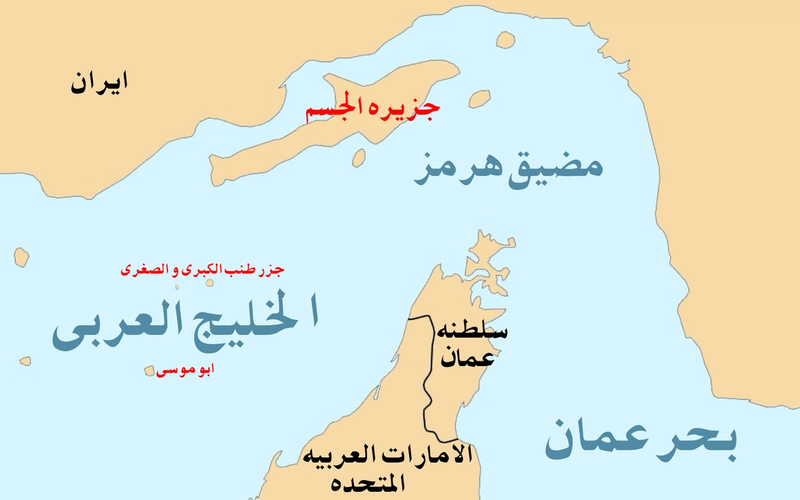
Trump's rejection of Iran's Hormuz proposal sent oil toward $107 a barrel and pushed the 10-year Treasury yield to its highest level since 2007.

Global Bond Selloff Pushes 30-Year Treasury Yield to Highest Since 2004
A worldwide bond selloff has pushed US 30-year Treasury yields to their highest since 2004, driven by inflation, deficits and rising oil prices.
Your complete net worth, finally in one place.
Join investors using Findex to consolidate, track, and grow their portfolios. One view of everything you own.
No payment information required.