
Fed Chair Warsh Signals Possible Rate Hike, Rejects Forward Guidance at Jackson Hole
Fed Chair Kevin Warsh warned inflation trends haven't improved enough at his first Jackson Hole speech, pushing September rate-hike odds above 55%.
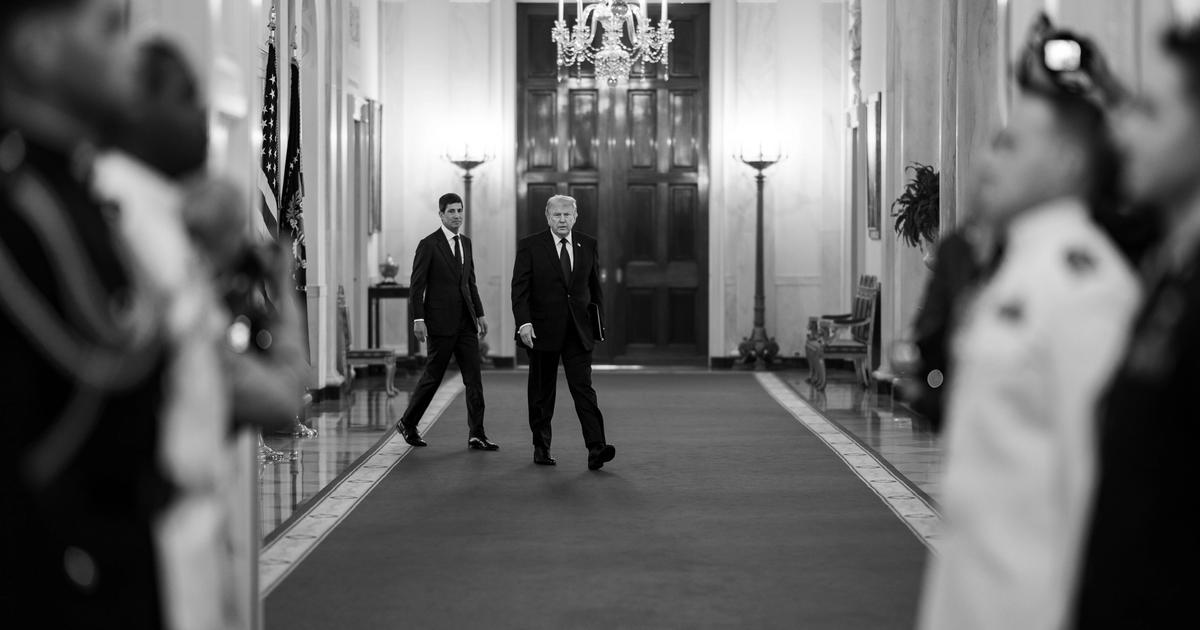
Federal Reserve Chair Kevin Warsh used his first Jackson Hole speech on Friday to warn that underlying inflation has not improved enough to rule out further interest rate increases, sending the two-year Treasury yield to its highest level since late July and pushing September rate-hike odds above 55%.
What happened
Warsh addressed the Kansas City Fed's Economic Policy Symposium in Jackson Hole, Wyoming, his first appearance at the event since taking over as chair. "While this summer's readings were better than expected, they do not tell me that underlying trends have meaningfully improved," he said in prepared remarks. He added: "We must be confident that underlying inflation is moving to our objective, clearly and at sufficient speed. Otherwise, we have work to do."
Warsh also broke with the tradition of using the Jackson Hole platform to signal a rate path. He called for "a quieter Fed, more purposeful in its communications," rejecting the practice of formal forward guidance. "I stand here today committed to a discipline, not to a decision," he said. "You can call it an outline... you can call it a trail map... just don't call it forward guidance," a practice he argued "has overstayed its welcome."
Markets moved quickly on the inflation warning, even without a rate signal attached to it:
- Two-year Treasury yield rose roughly 8 basis points to 4.31%, its highest level since late July
- Dollar index climbed 0.4% to 99.55
- September rate-hike odds on CME's FedWatch tool jumped to 55.7%, up about 20 percentage points from a day earlier
- Gold slipped below $4,600 an ounce as rate-cut bets unwound
Why it matters
A 20-point swing in rate-hike odds in a single day resets the discount-rate assumptions investors use to price both bonds and growth equities. Higher short-term yields raise the bar for stocks trading on future earnings, while longer-duration bond holdings become more sensitive to further upside surprises in yield.
The shift also builds on a policy debate that has been running since July, when the Fed held its benchmark rate at 3.50%-3.75% but saw three regional presidents dissent in favor of a hike, the largest one-direction dissent bloc in a decade. Warsh's Jackson Hole remarks suggest that camp's argument is gaining ground within the committee, not losing it.
Rejecting forward guidance carries its own portfolio implication. Investors have grown accustomed to central banks pre-signaling policy shifts well before they happen. A Fed chair who explicitly declines to do that increases the odds that each inflation print and FOMC meeting becomes a standalone volatility event rather than a confirmation of an already-priced path.
What to watch next
The next scheduled test comes at the September 15-16 FOMC meeting, which includes updated economic projections and the committee's rate-forecast "dot plot." Until then, incoming inflation data carries more weight than usual given Warsh's explicit statement that recent readings, while better than expected, have not changed his underlying view.
For portfolios spread across cash, bonds and equities, a repricing like this shows up unevenly and fast. Consolidated portfolio tracking makes that kind of cross-asset shift visible in one place, rather than requiring an investor to piece it together account by account after the fact.
Keep reading
Related trends
ECB Raises Rates to 2.50% as Iran War Fuels Euro Zone Inflation
The ECB lifted its deposit rate to 2.50% on September 10, its second hike this cycle, as energy inflation from the Iran conflict pushes prices higher.
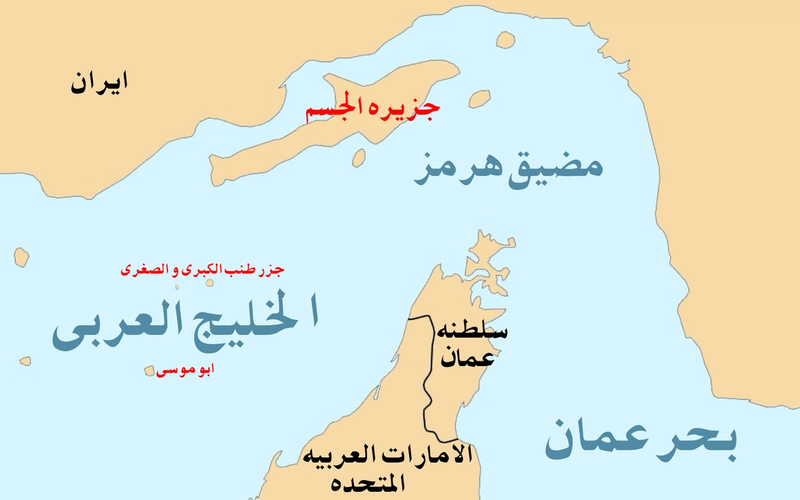
Oil Nears $100 as Iran-Oman Hormuz Deal Nears Final Stage
Brent crude hit $97 as Iran and Oman near a Hormuz shipping deal, reviving inflation fears ahead of Friday's US CPI print and the Fed's next move.
Oil Surges Past $90 as US Strikes Reignite Strait of Hormuz Tensions
US strikes on Iranian rocket launchers near the Strait of Hormuz sent Brent crude above $90 on Monday, its highest level in months, reviving inflation risk.
Your complete net worth, finally in one place.
Join investors using Findex to consolidate, track, and grow their portfolios. One view of everything you own.
No payment information required.