
Oil Surges Past $90 as US Strikes Reignite Strait of Hormuz Tensions
US strikes on Iranian rocket launchers near the Strait of Hormuz sent Brent crude above $90 on Monday, its highest level in months, reviving inflation risk.
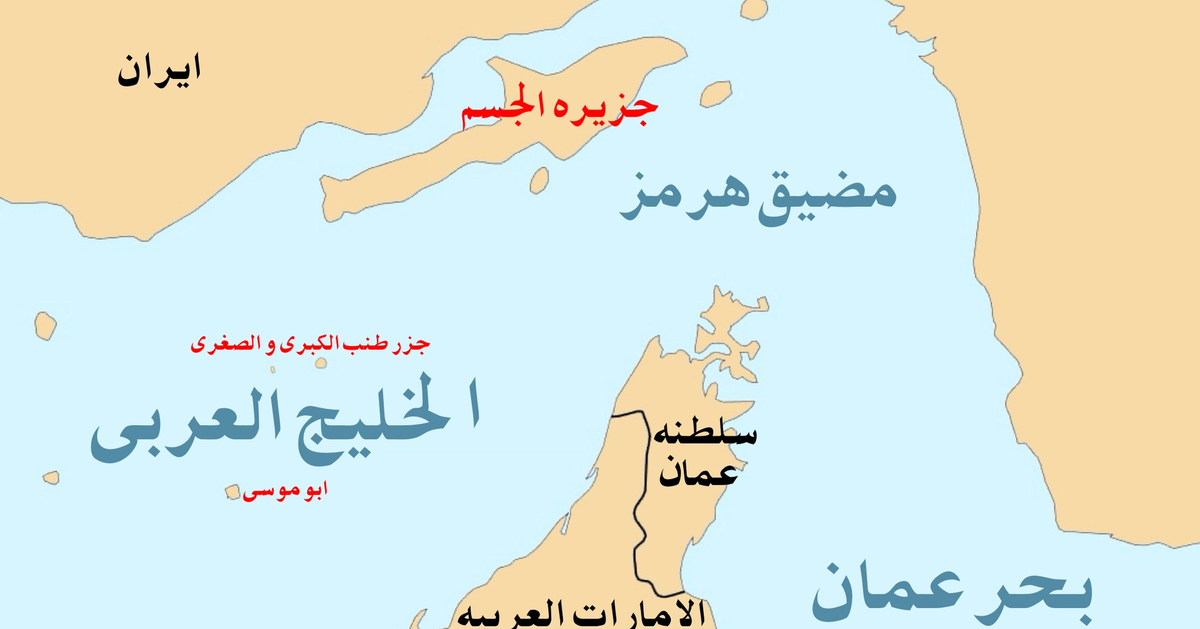
US Central Command confirmed Sunday that American forces struck two Iranian rocket launchers on Larak Island, near the Strait of Hormuz, after intelligence indicated Iran was preparing to lay naval mines in the waterway. The strike ended more than a month of relative calm between Washington and Tehran. Iran has vowed retaliation.
Brent crude climbed above $90 a barrel on Monday, its highest level in months, while West Texas Intermediate traded near $84. The Strait of Hormuz carries roughly a fifth of global oil supply, so even a partial threat to shipping through it moves prices sharply.
Equity markets absorbed the news with less volatility than the oil market. S&P 500 futures slipped 0.1% and Nasdaq 100 futures were marginally lower, a muted reaction given Wall Street had been on track for a winning month before the strike.
Why it matters
- Energy stocks and commodities move first. Oil-linked equities and commodity-exposed funds see the most direct repricing from a Hormuz disruption, while broad indices tend to adjust more gradually.
- Inflation risk is back in focus. A sustained rise in oil prices complicates the Federal Reserve's rate path days after Chair Kevin Warsh's hawkish Jackson Hole remarks pushed market-implied odds of a September rate hike above 57%. Energy costs feed directly into the headline inflation figure Warsh flagged as not yet under control.
- Treasury yields were already elevated. The 30-year yield sits near its highest level since 2007, meaning fixed-income portfolios are absorbing a rates shock and a geopolitical shock at the same time.
For investors holding equities, commodities, and fixed income together, oil-driven inflation risk and monetary policy risk are no longer separate stories. They are compounding.
What to watch next
Tehran's promised retaliation is the immediate variable. Strikes on Iranian assets near Hormuz have historically produced sharp, short-lived oil spikes when shipping traffic through the strait was not directly disrupted. An actual attempt to mine the waterway, rather than a threat to do so, would be a materially different scenario for energy markets and would force the Fed to weigh growth risk against inflation risk at its September meeting.
Shipping insurance rates through the strait are worth watching too. A rise there is often an earlier signal of how seriously the market expects disruption to persist than the oil price itself.
Portfolio impact
Cross-asset shocks like this expose the limits of tracking a portfolio across separate spreadsheets and broker apps. A consolidated net worth view shows how much total exposure sits in energy, commodities, and rate-sensitive holdings in one place, rather than reconstructing it after prices have already moved.
Keep reading
Related trends

ECB Raises Rates to 2.50% as Iran War Fuels Euro Zone Inflation
The ECB lifted its deposit rate to 2.50% on September 10, its second hike this cycle, as energy inflation from the Iran conflict pushes prices higher.
Oil Nears $100 as Iran-Oman Hormuz Deal Nears Final Stage
Brent crude hit $97 as Iran and Oman near a Hormuz shipping deal, reviving inflation fears ahead of Friday's US CPI print and the Fed's next move.

Fed Chair Warsh Signals Possible Rate Hike, Rejects Forward Guidance at Jackson Hole
Fed Chair Kevin Warsh warned inflation trends haven't improved enough at his first Jackson Hole speech, pushing September rate-hike odds above 55%.
Your complete net worth, finally in one place.
Join investors using Findex to consolidate, track, and grow their portfolios. One view of everything you own.
No payment information required.