
Oil Nears $100 as Iran-Oman Hormuz Deal Nears Final Stage
Brent crude hit $97 as Iran and Oman near a Hormuz shipping deal, reviving inflation fears ahead of Friday's US CPI print and the Fed's next move.
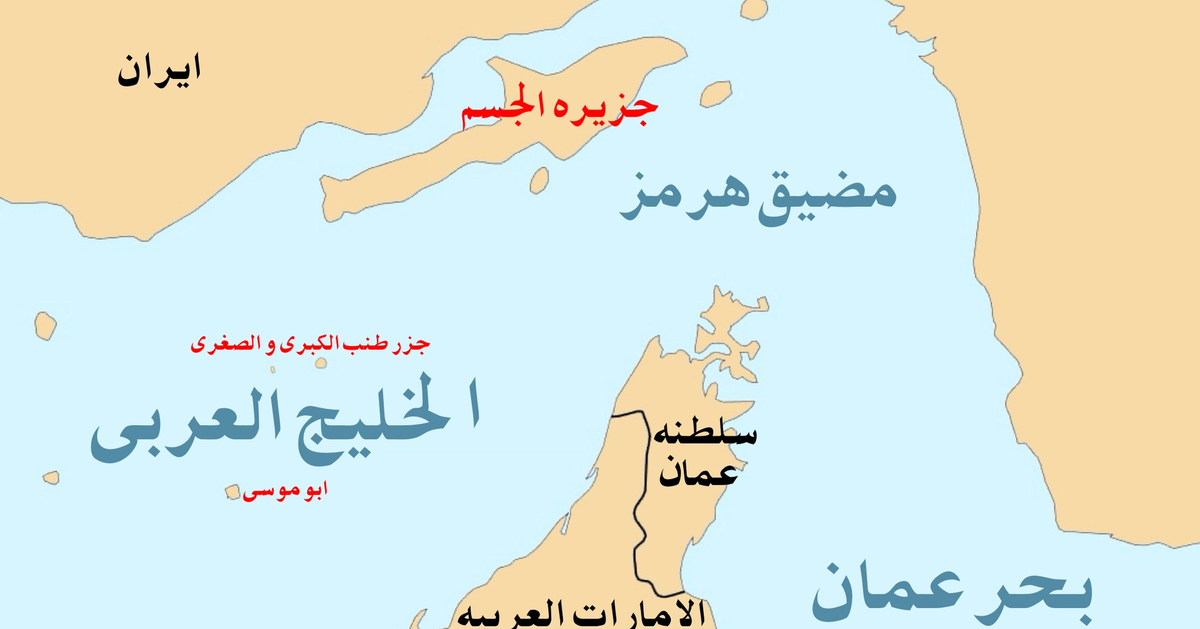
Brent crude settled at $97 a barrel and US crude futures rose above $92 on Monday, extending a rally after Iran's foreign ministry said a deal with Oman to manage shipping through the Strait of Hormuz was in its final stages.
What Happened
Iran's Foreign Ministry spokesman, Esmail Baghaei, told reporters in Tehran on Monday that the agreement, negotiated with Oman over several weeks, would include a temporary safe route through the strait and be registered with the International Maritime Organization. The announcement came after a weekend in which the US military struck Iranian tankers and an attack hit Saudi Aramco's Jazan facility, though Aramco reported no major damage.
Key figures from Monday's session:
- Brent crude: settled at $97 a barrel
- WTI: traded above $92 a barrel, front-month futures up roughly 3.2% on the day
- Oil has risen more than 30% since the conflict began in late February
- US Energy Secretary Chris Wright put daily flows through the Persian Gulf at roughly 8 million barrels
Shipping through Hormuz, a waterway that carried about a fifth of global oil supply before the war, has been disrupted for months, with tankers switching off transponders to avoid detection.
Why It Matters
Rising oil prices are reviving inflation concerns just as investors reprice the Federal Reserve's next move. After Friday's stronger-than-expected August jobs report, traders are now weighing the odds of a rate hike at this month's meeting rather than the cut many had priced in earlier in the year. US CPI data due Friday is the next test of that view.
Equity futures moved lower on Tuesday morning: Dow futures fell 0.9% and S&P 500 futures 0.4%, as markets absorbed both a wider war-risk premium on energy and a more hawkish rate outlook. For investors, the episode is a reminder that a single geopolitical development can move oil, bond yields, and equity valuations at the same time, since all three are sensitive to the same inflation and discount-rate assumptions.
What to Watch Next
The Iran-Oman agreement, if finalized, would formalize the temporary safe route through Hormuz rather than resolve the underlying conflict. Two questions will shape the next leg of the trade:
- Whether a finalized deal is enough to unwind the war-risk premium built into oil prices since February
- Whether the weekend's strikes on Iranian tankers and the Jazan facility signal further escalation regardless of any shipping agreement
Friday's CPI print and the Fed's September meeting will determine whether this inflation scare fades or hardens into a genuine policy shift. Portfolios concentrated in rate-sensitive growth names or energy-importing sectors are more exposed to the outcome than diversified holdings spread across asset classes and geographies.
Keep reading
Related trends

ECB Raises Rates to 2.50% as Iran War Fuels Euro Zone Inflation
The ECB lifted its deposit rate to 2.50% on September 10, its second hike this cycle, as energy inflation from the Iran conflict pushes prices higher.
Oil Surges Past $90 as US Strikes Reignite Strait of Hormuz Tensions
US strikes on Iranian rocket launchers near the Strait of Hormuz sent Brent crude above $90 on Monday, its highest level in months, reviving inflation risk.
Fed Chair Warsh Signals Possible Rate Hike, Rejects Forward Guidance at Jackson Hole
Fed Chair Kevin Warsh warned inflation trends haven't improved enough at his first Jackson Hole speech, pushing September rate-hike odds above 55%.
Your complete net worth, finally in one place.
Join investors using Findex to consolidate, track, and grow their portfolios. One view of everything you own.
No payment information required.