
US June CPI Lands Hours Before Fed Chair Warsh's First Congressional Testimony
June's US inflation reading lands 90 minutes before Fed Chair Kevin Warsh testifies to Congress for the first time, as oil prices complicate the outlook.
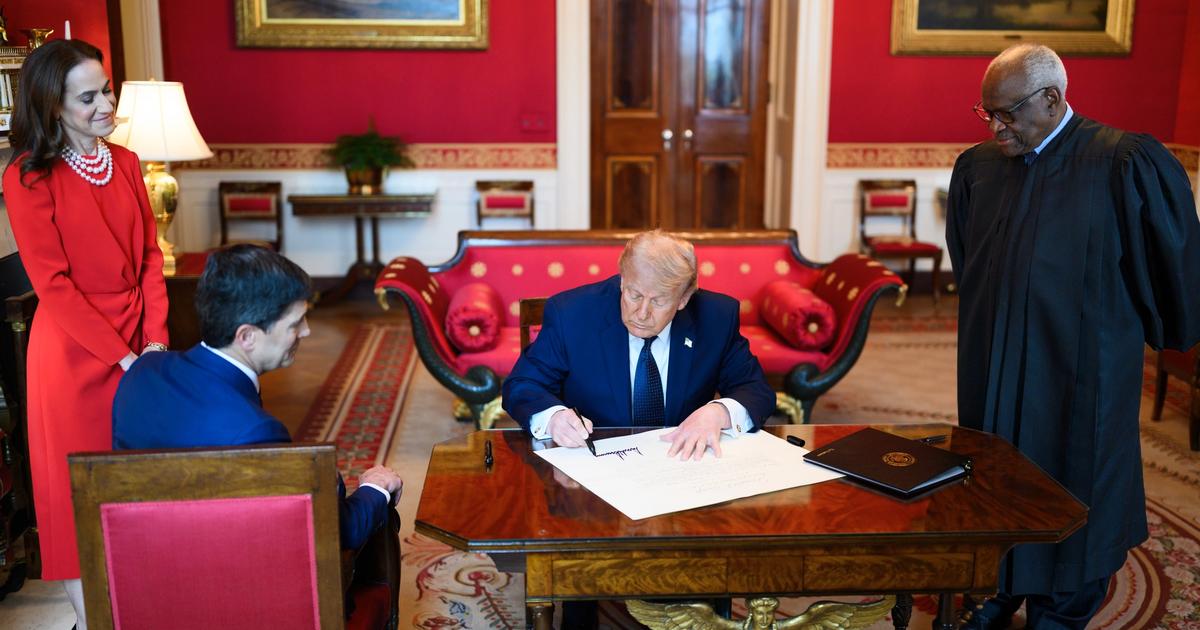
The US Bureau of Labor Statistics releases June's Consumer Price Index at 8:30am ET on Tuesday, 90 minutes before Federal Reserve Chair Kevin Warsh delivers his first semiannual monetary policy testimony to the House Financial Services Committee. Economists expect headline CPI to ease to roughly 3.9% year-on-year from May's 4.2%, with core CPI, which excludes food and energy, holding near 2.9%.
What happened
June's softer headline number rests almost entirely on a single factor: US gasoline prices fell close to 10% during the month, the fourth-largest monthly drop in a decade, after a brief US-Iran ceasefire reopened the Strait of Hormuz and eased oil supply concerns. Core prices, which strip out volatile food and energy costs, are forecast to grind up another 0.3% on the month, keeping the underlying trend well above the Federal Reserve's 2% target.
Warsh takes questions before the House committee at around 10am ET, his first appearance before lawmakers since becoming the Fed's 17th chair on May 22. He follows with testimony to the Senate Banking Committee on Wednesday. Both hearings focus on the rate path into the July 28-29 Federal Open Market Committee meeting, along with Warsh's five internal task forces covering the Fed's balance sheet, inflation measurement, public communications, and how AI could affect productivity and employment.
Why it matters
The timing puts Warsh in an unusual position: he faces questions on inflation with the data barely an hour old.
Key figures shaping the debate:
- Headline CPI:: forecast at roughly 3.9% year-on-year, down from 4.2% in May
- Core CPI:: forecast to hold near 2.9% year-on-year
- Gasoline prices:: down roughly 10% in June, the main driver of the headline decline
- Next FOMC decision:: July 28-29, with June PCE data due July 25
A softer headline print would normally support the case for a rate cut. But the gasoline relief behind it is already unwinding: renewed US-Iran hostilities over the weekend, including fresh American strikes and Iran's disputed claim to have closed the Strait of Hormuz, sent Brent crude back above $83 a barrel and pushed WTI up more than 9% in a single session. Lawmakers are likely to press Warsh on whether June's disinflation is durable or a one-month artefact of an oil shock that has since reversed.
Context and what to watch next
For portfolios weighted toward US equities and Treasuries, a cooler CPI print alongside a hawkish-leaning testimony creates a wider-than-usual range of outcomes for Tuesday's session. The 10-year Treasury yield and the dollar index tend to move faster than equity indices on inflation surprises, and both are the more direct read on rate expectations than the headline CPI figure alone.
Platforms that consolidate holdings across brokers and currencies make it easier to see how a single US data point moves a diversified portfolio, rather than checking each account separately.
Keep reading
Related trends

ECB Raises Rates to 2.50% as Iran War Fuels Euro Zone Inflation
The ECB lifted its deposit rate to 2.50% on September 10, its second hike this cycle, as energy inflation from the Iran conflict pushes prices higher.
Oil Nears $100 as Iran-Oman Hormuz Deal Nears Final Stage
Brent crude hit $97 as Iran and Oman near a Hormuz shipping deal, reviving inflation fears ahead of Friday's US CPI print and the Fed's next move.
Oil Surges Past $90 as US Strikes Reignite Strait of Hormuz Tensions
US strikes on Iranian rocket launchers near the Strait of Hormuz sent Brent crude above $90 on Monday, its highest level in months, reviving inflation risk.
Your complete net worth, finally in one place.
Join investors using Findex to consolidate, track, and grow their portfolios. One view of everything you own.
No payment information required.