
Micron Joins the Trillion-Dollar Club as AI Memory Demand Reweights Equity Portfolios
Micron Technology crossed $1 trillion in market cap on 26 May as AI memory demand drove a 21% single-day surge and reshaped major index weights.
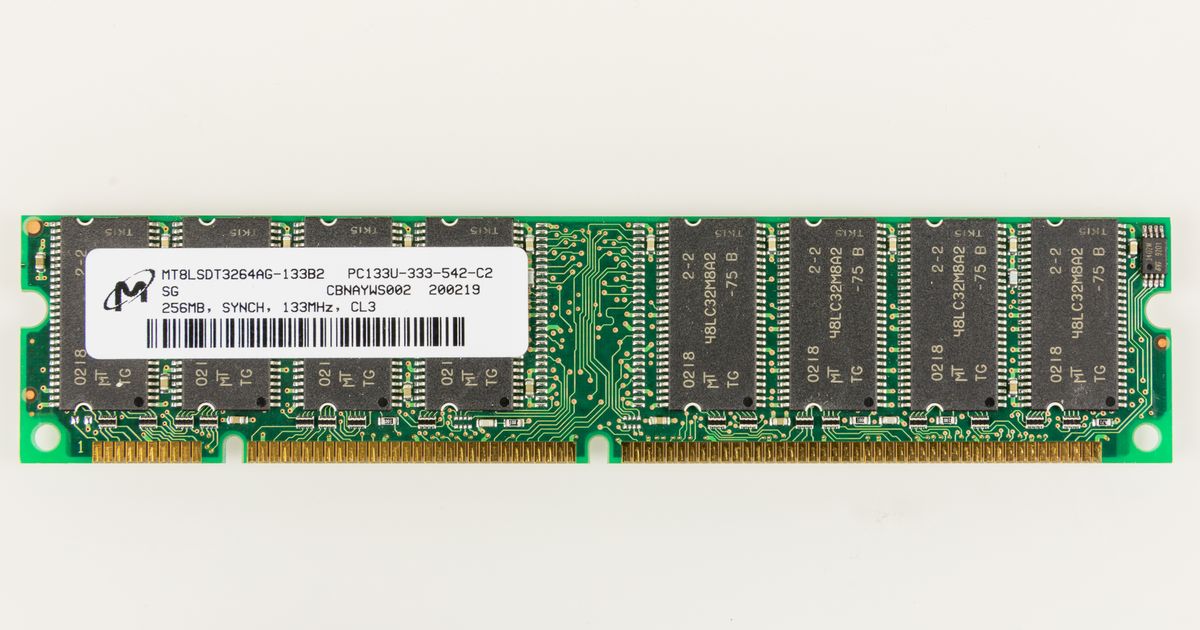
Micron Technology's market capitalisation crossed $1 trillion on 26 May 2026, following a 21% single-day surge that lifted shares to a record $908.87 intraday. The semiconductor maker joined Nvidia, Broadcom, TSMC, and Samsung in a five-member club whose combined weight in global equity indices now forces every passive fund to hold a concentrated position in AI infrastructure.
What Happened
The catalyst was a blockbuster analyst upgrade from UBS, which tripled its price target for Micron from $535 to $1,625, the highest target on Wall Street. The thesis: Micron's high-bandwidth memory (HBM) chips are sold out for all of 2026, and the supply gap shows no signs of closing.
Micron shares traded near $92 twelve months ago. The stock has risen roughly tenfold in a year, with the bulk of the move occurring in 2026 as AI infrastructure spending accelerated across every major technology company.
Key figures from the session:
- Intraday high: $908.87 (all-time record)
- Close: $872.24, up 18% on the day
- Market cap: $1.01 trillion at session peak
- UBS price target: $1,625
Why It Matters for Equity Investors
Micron's $1 trillion threshold carries direct portfolio implications. When a stock crosses that level, its weight in S&P 500 and Nasdaq 100 index funds rises automatically at the next rebalancing, meaning passive investors hold more of it whether or not they hold a view on AI chip demand.
The AI memory sector now includes four stocks above $500 billion in combined index weight: Nvidia, Broadcom, Micron, and SK Hynix via cross-listed products. Investors in broad index funds have seen their effective exposure to a single theme, the AI data-centre build-out, increase substantially over the past 12 months.
The Roundhill Memory ETF (DRAM), launched on 2 April 2026, accumulated $6.5 billion in assets within 27 trading days, the fastest ETF launch in history. The speed of adoption reflects retail investor demand for targeted exposure to the AI memory theme.
The Boom-Bust Risk
Not all observers share the bullish view. CNBC reported on 25 May that several long-term investors are warning of a classic boom-bust dynamic in memory chips.
William de Gale, portfolio manager at BlueBox Asset Management, told CNBC that the memory sector has 'enormous ups and downs' and called it 'a pretty dreadful industry' from a long-term investment perspective.
Harvard Business School professor Willy Shih, who has tracked semiconductor cycles since the 1980s, noted the AI memory boom 'looks like every other memory cycle I have watched, just bigger.' He added that 'anytime people show me curves that just go to the sky with no end, that never continues forever.'
Samsung shares have risen 114% year-to-date. SK Hynix has risen 186%.
What to Watch
New semiconductor fabs from Samsung, SK Hynix, Micron, and Kioxia are not expected to reach volume production until late 2027 or 2028. If AI infrastructure spending holds at current levels, supply will remain constrained for at least two more years. If spending slows, inventory could shift to oversupply rapidly. Portfolio managers with large passive or active positions in broad equity indices are now carrying meaningful exposure to this binary outcome.
Keep reading
Related trends

John Ternus Becomes Apple CEO as Tim Cook Steps Into Chairman Role
John Ternus becomes Apple CEO on September 1, ending Tim Cook's 15-year run, as investors weigh what the leadership change means for index-heavy portfolios.

Nvidia Jumps 7% on Blowout Earnings, Deepening Its Grip on the S&P 500
Nvidia's fiscal second-quarter results and a 70% revenue growth forecast lifted global chip stocks and pushed its S&P 500 weighting toward a record 7.8%.

Shein Prices Hong Kong IPO at $27 Billion, Down 70% From Its Private Peak
Shein's Hong Kong IPO values the fast-fashion retailer at up to $27bn, a 70% drop from its 2022 peak, after failed listings in New York and London.
Your complete net worth, finally in one place.
Join investors using Findex to consolidate, track, and grow their portfolios. One view of everything you own.
No payment information required.