
Alphabet, Tesla and Intel Earnings This Week Put AI Spending to the Test
Alphabet, Tesla and Intel report earnings this week in the first broad market test of whether AI capital spending is generating real returns for investors.
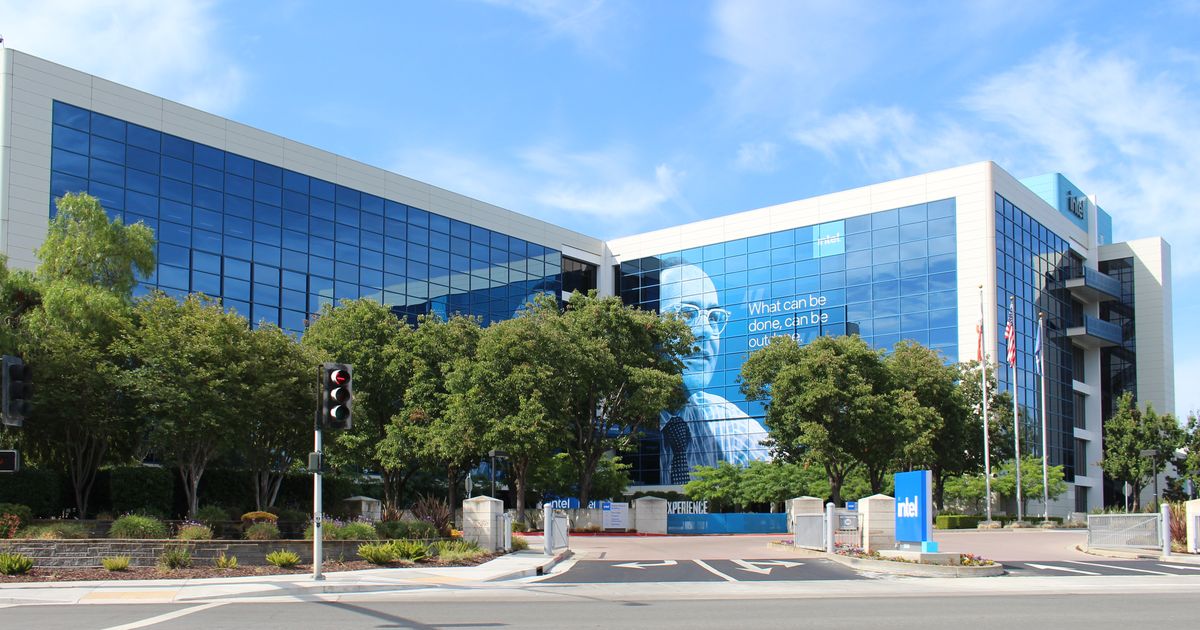
Alphabet and Tesla report second-quarter results after markets close on Wednesday, July 22, followed by Intel on Thursday, July 23, in a week Wall Street is treating as the first broad check on whether AI capital spending is generating returns or running ahead of the underlying business.
What happened
Asian equities rose Tuesday for the first time in four sessions. The MSCI Asia Pacific Index gained 1.7%, South Korea's Kospi and Taiwan's benchmark each added more than 2.5%, and Japan's Nikkei 225 rose 2.2% as trading resumed after a holiday. Samsung Electronics and Taiwan Semiconductor Manufacturing Co. led the advance.
The rally follows a rough stretch for technology shares. The Nasdaq Composite fell 2.9% and the S&P 500 dropped 1.6% last week on AI-valuation profit-taking, and both indexes slipped again Monday as oil prices rose on renewed US-Iran military exchanges: the Dow fell 0.59% to 51,839.26, the S&P 500 lost 0.19% to 7,443.28, and Apple shares fell 2%. US stock futures pointed higher Tuesday morning, with Nasdaq 100 futures up 1.12%.
Why it matters
Alphabet, Tesla and Intel are each valued above $1 trillion, and their capital spending decisions carry weight across the index funds that make up most diversified equity portfolios.
- Alphabet: consensus revenue near $101-102 billion; Google Cloud revenue estimated at $22.8 billion, up roughly 67% year over year
- Tesla: raised 2026 capital expenditure guidance from $20 billion to more than $25 billion to fund data centers, Full Self-Driving and the Robotaxi network, after record Q2 deliveries of 480,126 vehicles, up 25% year over year
- Intel: shares down roughly 13% over the past week; consensus revenue of $14.39 billion
Kevin Mahn of Hennion & Walsh Asset Management said any sign of Alphabet slowing its AI investment "could have a ripple effect across the entire AI ecosystem."
Context and what to watch
The reports land during what LSEG IBES data project as a third straight quarter of S&P 500 earnings growth above 20%, this time 25.7% year over year, a run that has made AI-linked megacaps an outsized share of index returns. Markets have punished companies that signal AI spending without a matching payoff and rewarded those that show a path to monetizing it, so capital expenditure guidance is likely to move share prices more than the headline revenue and profit figures.
For investors holding index funds or diversified holdings across several brokers, concentration in a small number of AI-spending megacaps is often difficult to see until an earnings miss forces the issue. Portfolio trackers that consolidate holdings across accounts make that concentration visible before it does.
Keep reading
Related trends
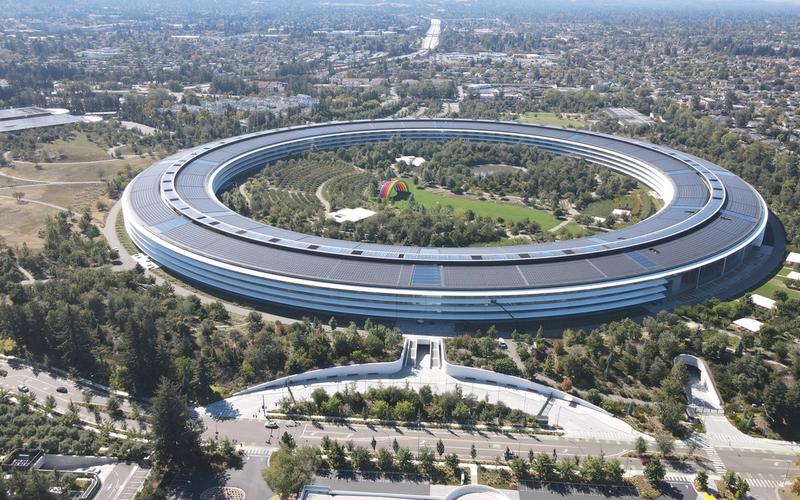
John Ternus Becomes Apple CEO as Tim Cook Steps Into Chairman Role
John Ternus becomes Apple CEO on September 1, ending Tim Cook's 15-year run, as investors weigh what the leadership change means for index-heavy portfolios.
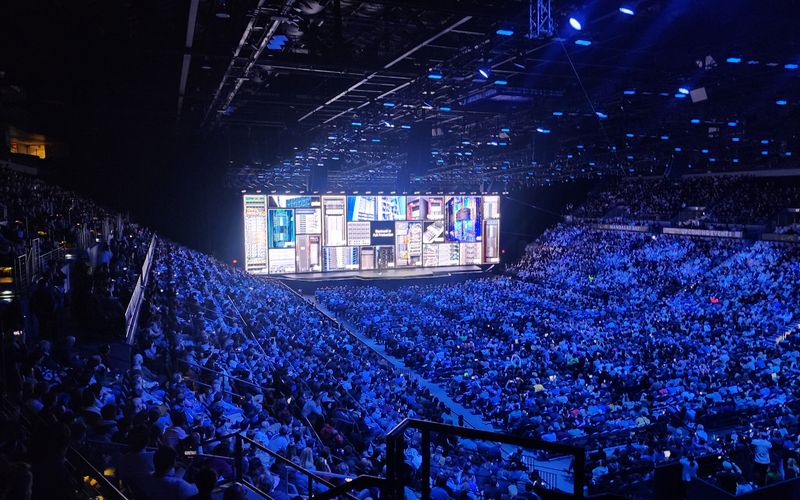
Nvidia Jumps 7% on Blowout Earnings, Deepening Its Grip on the S&P 500
Nvidia's fiscal second-quarter results and a 70% revenue growth forecast lifted global chip stocks and pushed its S&P 500 weighting toward a record 7.8%.

Shein Prices Hong Kong IPO at $27 Billion, Down 70% From Its Private Peak
Shein's Hong Kong IPO values the fast-fashion retailer at up to $27bn, a 70% drop from its 2022 peak, after failed listings in New York and London.
Your complete net worth, finally in one place.
Join investors using Findex to consolidate, track, and grow their portfolios. One view of everything you own.
No payment information required.