
Oil Slides, Wall Street Futures Rise as Trump Signals Iran War Deal Is Near
Oil fell and US stock futures rose after Trump said Mideast allies reached a deal outline to end the Iran war, with Hormuz Strait talks starting Monday.
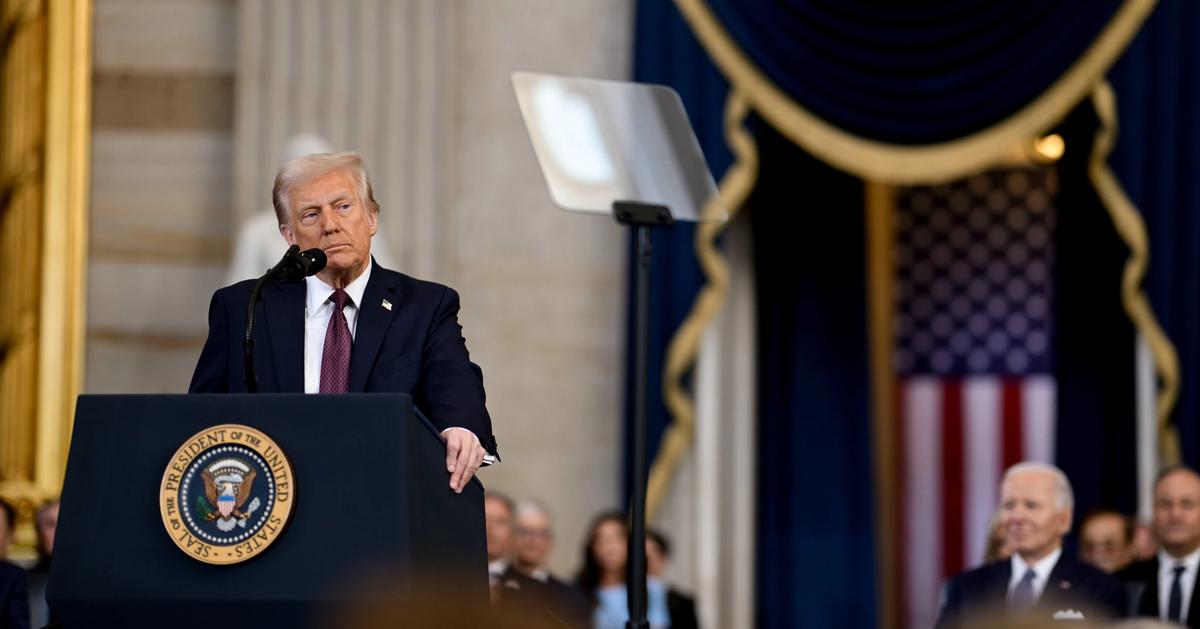
President Trump said Saturday that Mideast allies had reached the outlines of a deal to end the five-month Iran war, sending oil prices down and US stock futures up ahead of Monday's open.
What happened
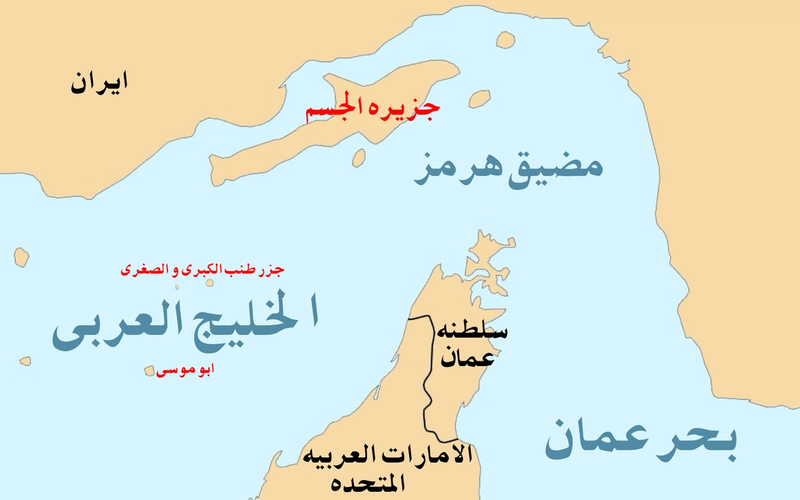
Trump said Israel and Saudi Arabia had agreed to a framework built around the “immediate, complete and total opening of the Hormuz Strait” in exchange for an end to Iran's nuclear weapons program.
He said he called off a planned round of US strikes the night before at the request of Saudi Arabia, the UAE and Qatar, and that formal negotiations with Tehran would begin Monday afternoon over Hormuz access and the nuclear file. Iran had not issued a public response by the time talks were set to start.
The conflict began on February 28. A first ceasefire, signed in June, collapsed within weeks after Iran resumed attacks on shipping in the strait.
Markets moved before Tehran confirmed anything:
- WTI crude fell 5.9% to $79.77 a barrel; Brent fell 5.1% to $83.47
- S&P 500 futures rose 0.5%, Dow futures 0.45%, Nasdaq-100 futures 0.77%
- The move followed a Friday close in which the S&P 500 hit a record 7,489.72, even as the index posted its first red July since 2014
Why it matters
The Hormuz Strait carries close to a fifth of global oil supply, so a credible move to lift restrictions there resets the risk premium that has been built into crude prices since February. That premium has fed directly into portfolio math all year: equity discount rates, bond yields, and inflation expectations have tracked the conflict's escalations and de-escalations closely.
Brent crude is still up more than 22% over the past month, even after Monday's drop. One diplomatic announcement does not erase five months of supply risk on its own. Bond markets, which had priced in inflation risk from a prolonged conflict, stand to see the larger repricing if the deal holds and yields retrace from recent highs. Energy-sensitive and rate-sensitive holdings carry the most immediate exposure to how this develops over the next several sessions.
Portfolio tools that show cross-asset exposure in one place make it easier to trace how much of a week's portfolio swing comes down to a single oil headline rather than company-specific performance.
What to watch next
The June ceasefire is the closest precedent, and it broke down once Iran resumed shipping attacks weeks later. Traders are watching for a response from Tehran before treating Saturday's announcement as more than a starting point for talks.
OPEC+ has already agreed to raise output by 188,000 barrels a day starting in September, a supply change that will matter more once the barrels arrive than while markets are still pricing headline risk. Monday's talks also cover two distinct issues, Hormuz access and Iran's nuclear program, and progress on one does not guarantee agreement on the other.
Keep reading
Related trends
RBA Raises Cash Rate to 4.60%, a 15-Year High, on Energy-Driven Inflation
The Reserve Bank of Australia raised its cash rate 25bp to 4.60%, a 15-year high and its fourth hike of 2026, citing energy-driven inflation risks.
Oil and Bond Yields Surge as Trump Rejects Iran's Hormuz Proposal
Trump's rejection of Iran's Hormuz proposal sent oil toward $107 a barrel and pushed the 10-year Treasury yield to its highest level since 2007.
Global Bond Selloff Pushes 30-Year Treasury Yield to Highest Since 2004
A worldwide bond selloff has pushed US 30-year Treasury yields to their highest since 2004, driven by inflation, deficits and rising oil prices.
Your complete net worth, finally in one place.
Join investors using Findex to consolidate, track, and grow their portfolios. One view of everything you own.
No payment information required.