
Brent Crude Tops $95 as US-Iran War Escalates on Two Shipping Fronts
Brent crude topped $95 a barrel after a 12th night of US strikes on Iran, as a new threat to Red Sea shipping compounds the shock for investors.
What happened
US Central Command confirmed the latest strikes began at 5:30pm ET on July 22, ordered directly by President Trump, extending a campaign that resumed after June's brief ceasefire fully collapsed. Brent settled at $94.07 a barrel, up 3.4% on the day, while West Texas Intermediate closed at $86.83, up roughly 3%.
- Brent crude: $94.07/barrel, up 3.4%, briefly touching $95 intraday
- WTI crude: $86.83/barrel, up roughly 3%
- Oil prices up more than 20% since the start of July
- 12 consecutive nights of US strikes on Iranian targets
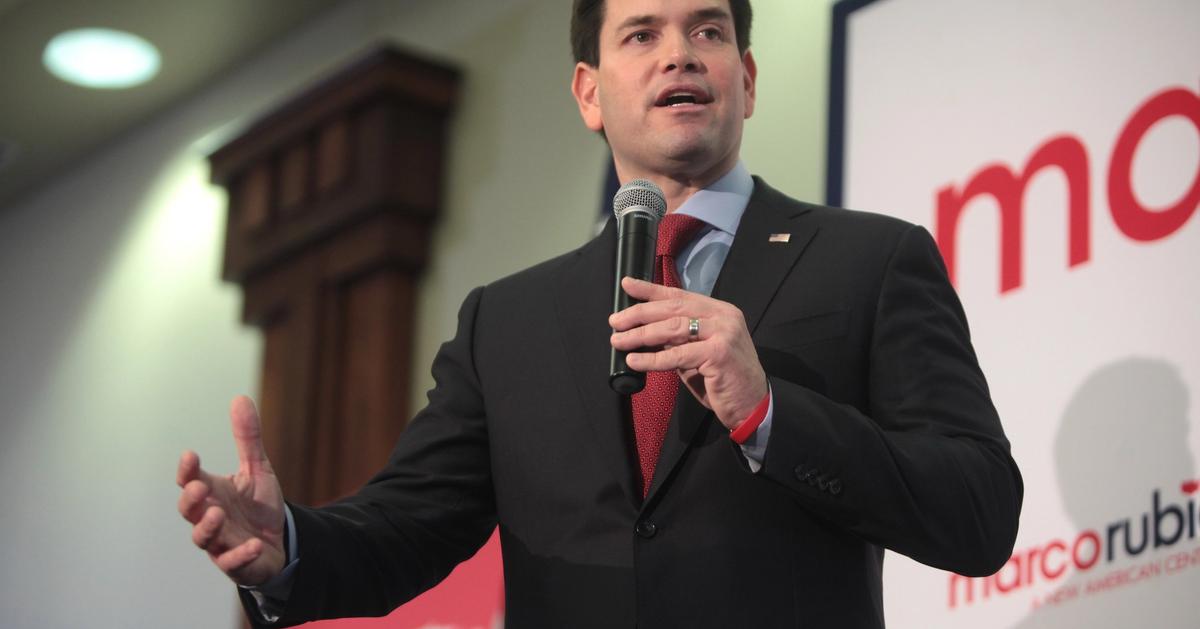
Secretary of State Marco Rubio said Iran is "not serious" about resuming negotiations, accusing Tehran of failing to honor prior commitments. Iran's foreign minister, Abbas Araqchi, responded that the country's position is "an eye for an eye." Yemen's Houthi movement, which is backed by Iran, separately threatened Saudi Arabia's oil exports through the Bab el-Mandeb Strait, the shipping route linking the Red Sea to the Gulf of Aden. At least five tankers changed course to avoid the area.
Why it matters
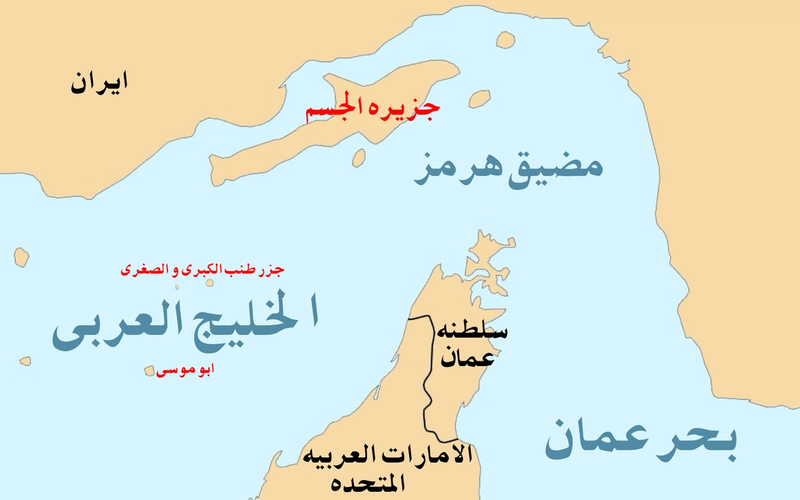
The escalation now threatens both of the world's most critical oil chokepoints at once, a first since the conflict began in February. The Strait of Hormuz carries about a fifth of global oil and LNG trade. Saudi Arabia built its East-West pipeline, the Petroline, specifically as a workaround for a Hormuz closure, but the new Houthi threat to Bab el-Mandeb undermines that route too. Iranian officials went further, warning they could move to halt oil exports from the entire region.
An oil shock rarely stays contained to energy stocks. It feeds directly into headline inflation, bond yields, and the rate path central banks are willing to follow. The 10-year US Treasury yield closed at a two-month high on July 21 as traders priced in higher odds of a September Fed rate hike, and a sustained oil spike adds pressure in the same direction. Sweden's Riksbank has said its own August rate decision depends partly on whether oil prices stay elevated through July, tying a Middle East conflict directly to Nordic borrowing costs. Portfolio trackers that show exposure across asset classes in one place make it easier to see how an energy shock like this one ripples into equities, bonds, and currencies within the same week.
What to watch next
Markets will be watching whether Iran acts on threats to close the Strait of Hormuz outright, and whether Houthi attacks meaningfully disrupt Bab el-Mandeb tanker traffic beyond the reroutes seen so far. President Trump has warned the US will target Iranian bridges and power plants for every future strike on shipping, raising the risk of further escalation rather than a near-term ceasefire. The European Central Bank's rate decision on July 23, plus any Fed commentary this week, will show how quickly policymakers treat the oil move as a lasting inflation risk rather than a temporary spike.
Keep reading
Related trends

ECB Raises Rates to 2.50% as Iran War Fuels Euro Zone Inflation
The ECB lifted its deposit rate to 2.50% on September 10, its second hike this cycle, as energy inflation from the Iran conflict pushes prices higher.
Oil Nears $100 as Iran-Oman Hormuz Deal Nears Final Stage
Brent crude hit $97 as Iran and Oman near a Hormuz shipping deal, reviving inflation fears ahead of Friday's US CPI print and the Fed's next move.
Oil Surges Past $90 as US Strikes Reignite Strait of Hormuz Tensions
US strikes on Iranian rocket launchers near the Strait of Hormuz sent Brent crude above $90 on Monday, its highest level in months, reviving inflation risk.
Your complete net worth, finally in one place.
Join investors using Findex to consolidate, track, and grow their portfolios. One view of everything you own.
No payment information required.