
Fed Minutes Reveal Deepest Policy Split in Decades as Rate Hike Odds Cross 50%
The April FOMC minutes show an 8-4 vote split on policy direction. Markets now price a better-than-even chance of a US rate rise by December 2026.
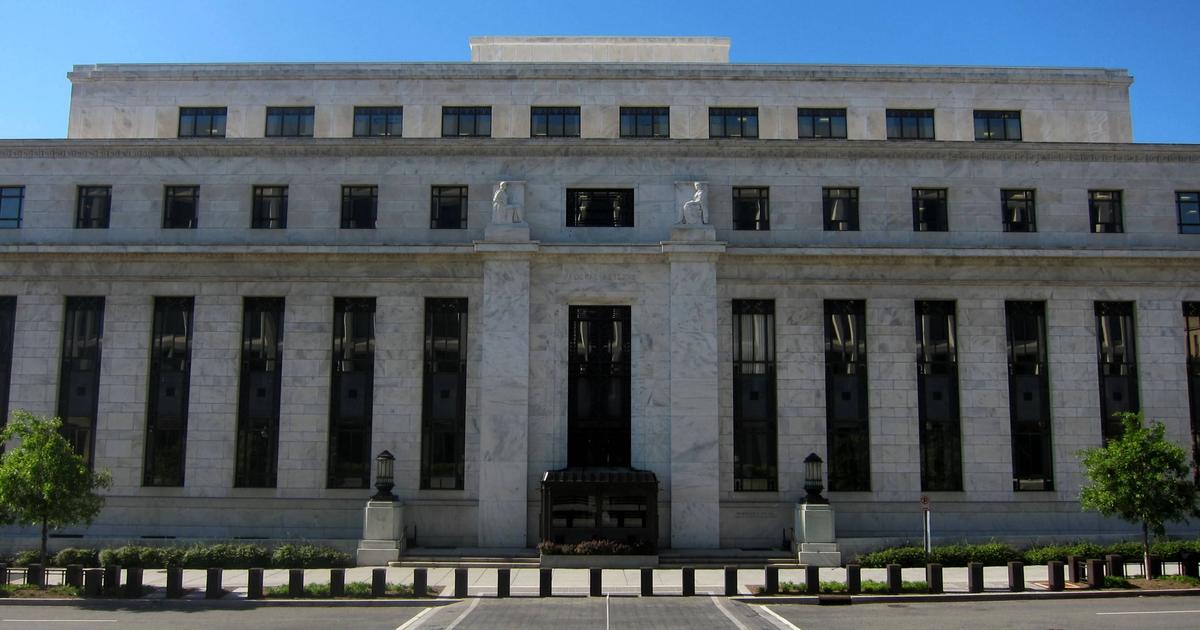
The Federal Reserve released the minutes of the April 28-29 FOMC meeting on Wednesday, revealing an unusually fractured committee: four dissents, two opposing camps, and a market consensus that has shifted from rate cuts to a potential hike by the end of 2026.
Chaired by Jerome Powell for the final time before Kevin Warsh assumed leadership on May 15, the meeting produced an 8-4 split, the most divided the FOMC has been since 1992. The dissents came from both sides of the debate. Stephen Miran voted for a rate cut. Beth Hammack, Neel Kashkari, and Lorie Logan opposed the easing bias language in the policy statement, signalling a preference for a more restrictive stance.
The federal funds rate remains at 3.50%-3.75%.
What the Minutes Show
The minutes detail a committee weighing persistently elevated inflation against an economy that has absorbed higher rates without breaking.
April CPI came in at 3.8% year-over-year, above the Fed's 2% target. Producer price data was also elevated. Despite this, the majority held that an immediate move was not warranted.
- Four dissents: the most in a single FOMC vote since 1992
- Easing bias language retained by the majority, challenged by three members
- Growth read: slowing acknowledged, but labour market resilience cited
- Tariff risk: import-price inflation flagged alongside demand-side uncertainty
The minutes do not formally signal a rate hike. The language does indicate the committee is moving toward removing the easing bias entirely.
Why This Matters for Investors
CME FedWatch data as of May 19 showed the probability of a rate hike by December 2026 above 50%, a full reversal of the rate-cut expectations that shaped portfolio positioning in early 2026. The probability of a January hike has risen to 58%.
For equity investors, a prolonged hold or a hike reprices growth assets. Higher discount rates compress valuations on long-duration stocks, particularly in technology and growth sectors.
For fixed income, longer-dated Treasuries face continuing headwinds. The 10-year yield held near 4.56% this week; the 30-year briefly exceeded 5%. Investors holding Treasuries directly or via bond funds should account for the possibility that yields move further from current levels.
Portfolio managers tracking multi-asset positions are watching the gap between short-term rates and long yields as the committee's direction firms up ahead of the summer.
What to Watch Next
The next FOMC meeting is set for June 16-17. Markets currently price a greater-than-90% probability of rates staying on hold at that meeting.
The critical question heading into the third quarter is whether the easing bias is formally removed, and whether the three members who opposed it gain further support in subsequent votes. Kevin Warsh takes the chair into those deliberations with inflation still above target and the committee more divided than it has been in decades.
For investors managing diversified portfolios, the current rate plateau is a prompt to review bond duration exposure, assess cash allocation in money market positions, and stress-test equity holdings against a scenario where rates move up rather than down.
Keep reading
Related trends
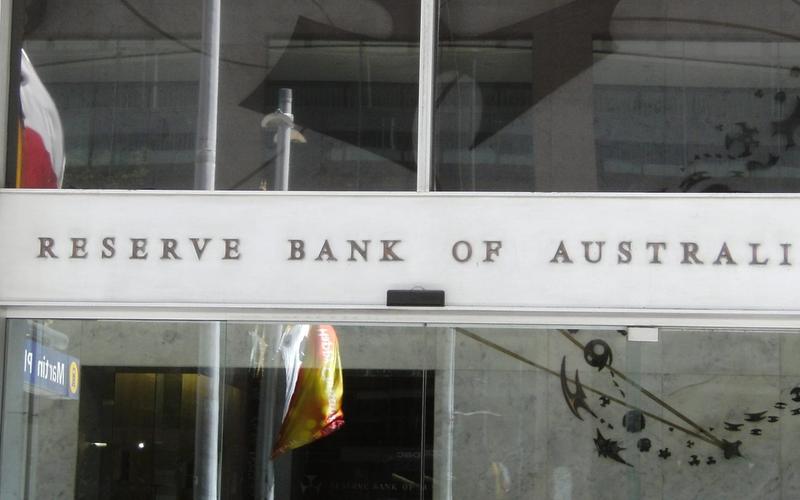
RBA Raises Cash Rate to 4.60%, a 15-Year High, on Energy-Driven Inflation
The Reserve Bank of Australia raised its cash rate 25bp to 4.60%, a 15-year high and its fourth hike of 2026, citing energy-driven inflation risks.

Oil and Bond Yields Surge as Trump Rejects Iran's Hormuz Proposal
Trump's rejection of Iran's Hormuz proposal sent oil toward $107 a barrel and pushed the 10-year Treasury yield to its highest level since 2007.
Global Bond Selloff Pushes 30-Year Treasury Yield to Highest Since 2004
A worldwide bond selloff has pushed US 30-year Treasury yields to their highest since 2004, driven by inflation, deficits and rising oil prices.
Your complete net worth, finally in one place.
Join investors using Findex to consolidate, track, and grow their portfolios. One view of everything you own.
No payment information required.