
JPMorgan's Dimon Warns of Market 'Exuberance' as Wall Street Hits New Records
JPMorgan CEO Jamie Dimon calls valuations 'too exuberant' on Bloomberg as the S&P 500 hits new records despite US April inflation at 3.7%.

JPMorgan Chase chief executive Jamie Dimon told Bloomberg this week that financial markets are showing "a little bit too much exuberance," even as the S&P 500 closed at a record high on Wednesday on renewed appetite for artificial-intelligence stocks. The contrast between the warning and the rally framed market commentary across the day.
What Dimon Said
Speaking in an interview broadcast on Bloomberg, Dimon described himself as "kind of a skeptic" about whether current market assumptions will hold. His specific concerns:
- Equity valuations: "The stock market is in the top 15%," he said, referring to valuation percentiles over a long historical sample
- Credit spreads: described as "very low" relative to default risk
- Investor positioning: he characterised parts of the market as priced for an outcome that requires several supportive variables to all hold
Dimon stopped short of a recession call and did not name specific sectors. He has used similar language in past investor letters, but the formulation lands differently this week with the index at a record.
Why It Matters for Investors
The S&P 500 set a new closing high on Wednesday despite a hot US inflation print for April that lifted the headline rate to 3.7%, the highest since January 2024. Technology and AI-linked names did most of the lifting; broader index breadth was narrower than the headline number suggested.
For multi-asset investors, the implication is familiar: index-level returns can mask concentration risk. When a handful of large-cap names drive the move, sector and factor diversification matters more, not less. Dimon's warning is, at minimum, a reminder to check whether portfolio exposures match conviction.
Two concrete points stand out:
- Concentration: S&P 500 weight in the top ten names has stayed near record levels through 2026, leaving broad-index investors with concentrated AI exposure whether they intended it or not
- Credit: Dimon's spread comment matters for high-yield bondholders. Tight spreads mean limited compensation if defaults rise from current lows
Context
The interview lands against a wider backdrop of CEO and policymaker commentary on stretched valuations. JPMorgan's own Q1 2026 results, posted in mid-April, showed strong trading and investment banking revenue. Dimon's caution is therefore not a function of the bank's own performance.
Fed Chair Kevin Warsh, in office since early 2026, has held a restrictive stance through three consecutive meetings, citing sticky services inflation. The April CPI release reinforces that position, and futures markets have largely priced out 2026 rate cuts.
In Europe, the ECB held its deposit rate at 2.0% on 30 April. The Stoxx 600 has traded broadly flat through the week, with technology and healthcare the only sectors in positive territory, mirroring the narrow breadth on Wall Street.
What to Watch
Three things investors might track next:
- The May FOMC minutes, released later this month, for any softening in the Fed's stance
- Eurozone inflation data on 20 May, which will refine the ECB's near-term path
- Q1 13F filings, which will show whether large institutional holders trimmed or added technology exposure into the rally
Concentrated AI exposure within passive index allocations is not inherently a problem. Whether it is consistent with an individual investor's risk tolerance is the question worth asking before the next data print or earnings event resets expectations.
Keep reading
Related trends
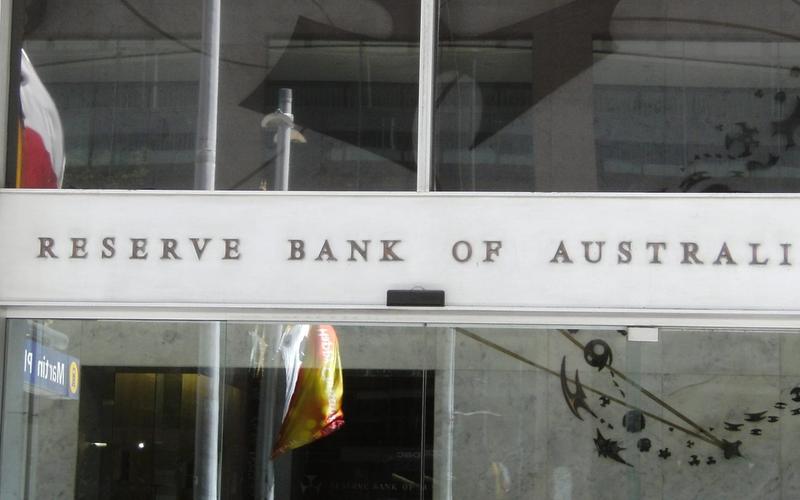
RBA Raises Cash Rate to 4.60%, a 15-Year High, on Energy-Driven Inflation
The Reserve Bank of Australia raised its cash rate 25bp to 4.60%, a 15-year high and its fourth hike of 2026, citing energy-driven inflation risks.

Oil and Bond Yields Surge as Trump Rejects Iran's Hormuz Proposal
Trump's rejection of Iran's Hormuz proposal sent oil toward $107 a barrel and pushed the 10-year Treasury yield to its highest level since 2007.

Global Bond Selloff Pushes 30-Year Treasury Yield to Highest Since 2004
A worldwide bond selloff has pushed US 30-year Treasury yields to their highest since 2004, driven by inflation, deficits and rising oil prices.
Your complete net worth, finally in one place.
Join investors using Findex to consolidate, track, and grow their portfolios. One view of everything you own.
No payment information required.