
US-China Trade Summit Opens in Beijing as Markets Price In Truce Extension
Trump and Xi opened a two-day Beijing summit with markets pricing in a trade truce. Nasdaq hit a record 26,402 Wednesday; Alibaba rallied 8%.
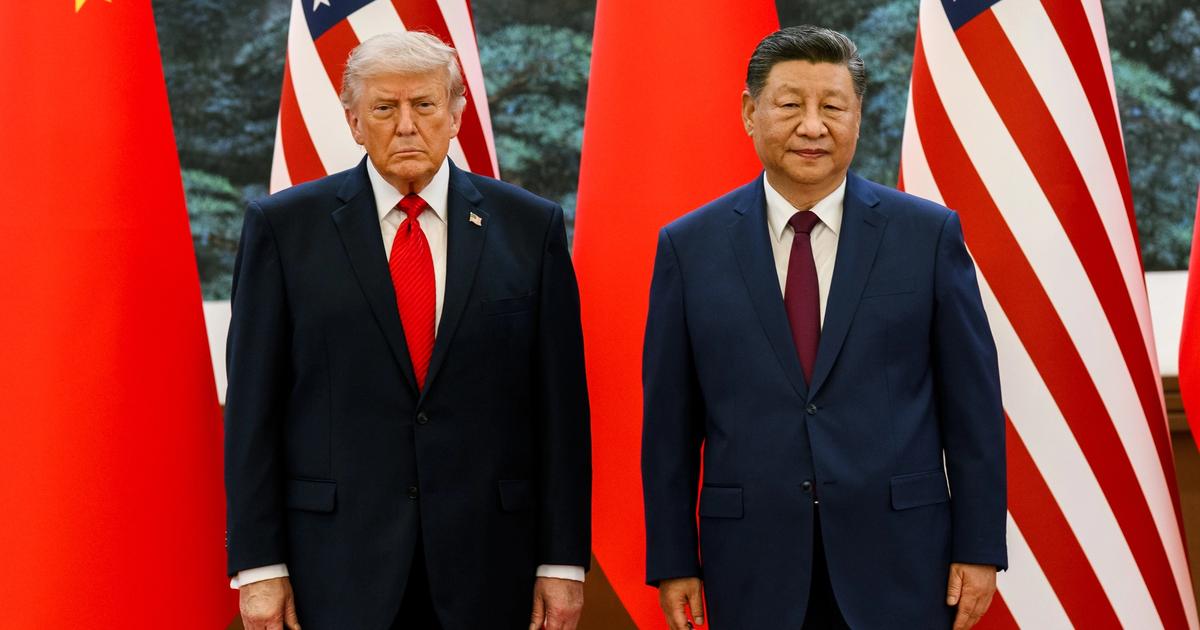
US President Donald Trump and Chinese President Xi Jinping opened a two-day summit in Beijing on Thursday, with trade tariffs, semiconductor export controls, rare earths, and the Iran conflict on the agenda. Markets moved before talks began: the Nasdaq closed at a record 26,402 points on Wednesday, Chinese tech stocks rallied, and Alibaba shares rose 8%.
What Happened
The meeting opened at the Great Hall of the People, with Trump accompanied by Elon Musk (Tesla) and Jensen Huang (Nvidia). Goldman Sachs analysts expect the most likely outcome to be an extension of the current trade truce: continued Chinese exports of rare earths and purchases of US agricultural products in exchange for partial tariff relief. No comprehensive deal is on the table.
A significant side development attracted market attention: US officials are reportedly close to clearing Nvidia H200 chip sales to China, which would lift one of the most visible semiconductor export restrictions in effect since 2024.
Why It Matters for Investors
Markets are pricing in de-escalation, not resolution. A managed competition framework keeps key supply chains operational and removes the acute risk of a trade breakdown, but leaves the structural tensions between the two economies in place.
Key figures from the summit's opening day:
- Nasdaq composite: record close of 26,402 points (Wednesday)
- Alibaba: up 8% despite quarterly earnings that missed estimates
- Hang Seng: up 1.32%; CSI 300 up 0.27%
- S&P 500 forward P/E: 20.9, above the five-year average of 19.9
For investors with technology or China-linked exposure, the Nvidia H200 clearance is the single most watched variable. Semiconductor valuations have carried an embedded China discount for months. Any formal easing of restrictions would remove it.
What to Watch Through Friday
Three areas have direct portfolio implications:
Rare earth export controls. An agreement maintaining Chinese rare earth supply reduces tail risk for industrial and technology holdings globally. Sweden-listed exporters including Ericsson, Volvo, and SKF carry supply chain exposure to Chinese rare earth inputs.
Semiconductor access. If Nvidia H200 sales to China are formally cleared, Nvidia's China addressable market expands materially. The PHLX Semiconductor Index has risen 64% since March. Any confirmed easing of export controls could extend that move.
Energy and Iran. Trump entered Beijing partly to resolve the Strait of Hormuz situation. Brent crude remains above $107. Energy prices feed inflation data, and the Federal Reserve's rate path depends partly on whether those costs stabilise.
The broader macro backdrop adds pressure. US producer prices (PPI) rose 1.4% in April, the largest monthly increase since March 2022, pushing the annual rate to 6%. A summit that confirms a trade truce extension does not change the Fed's rate path. Investors holding duration or multi-asset portfolios should not reprice on summit optimism alone.
Keep reading
Related trends
RBA Raises Cash Rate to 4.60%, a 15-Year High, on Energy-Driven Inflation
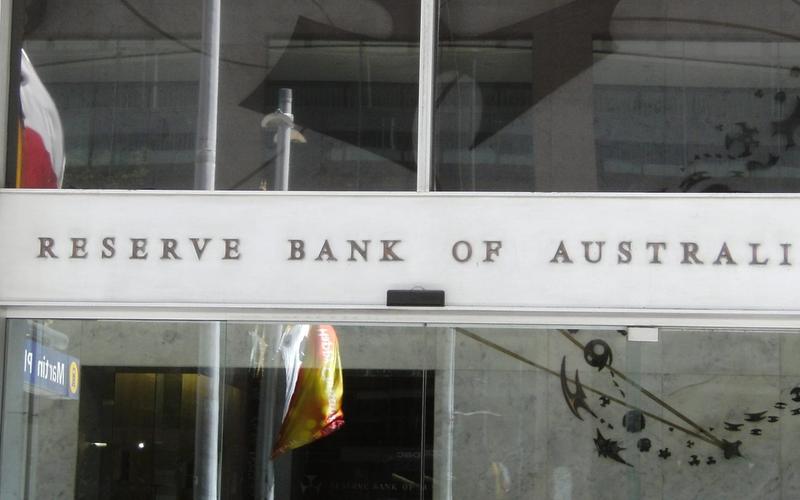
The Reserve Bank of Australia raised its cash rate 25bp to 4.60%, a 15-year high and its fourth hike of 2026, citing energy-driven inflation risks.
Oil and Bond Yields Surge as Trump Rejects Iran's Hormuz Proposal
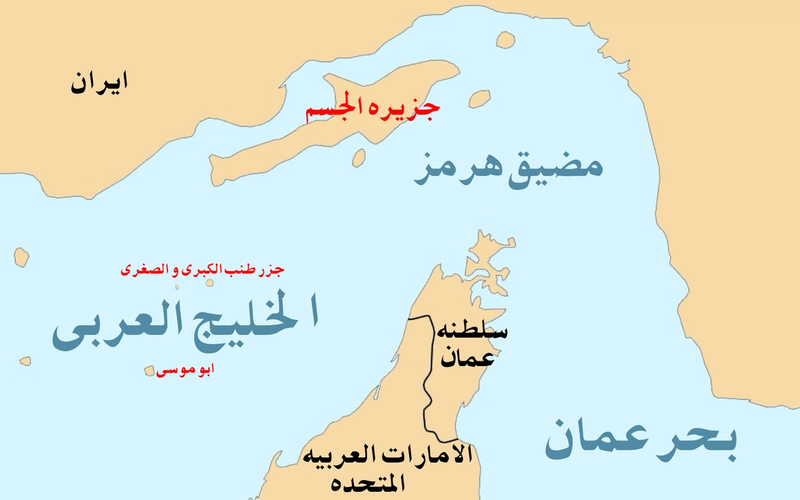
Trump's rejection of Iran's Hormuz proposal sent oil toward $107 a barrel and pushed the 10-year Treasury yield to its highest level since 2007.
Global Bond Selloff Pushes 30-Year Treasury Yield to Highest Since 2004
A worldwide bond selloff has pushed US 30-year Treasury yields to their highest since 2004, driven by inflation, deficits and rising oil prices.
Your complete net worth, finally in one place.
Join investors using Findex to consolidate, track, and grow their portfolios. One view of everything you own.
No payment information required.