
RBA Raises Cash Rate to 4.60%, a 15-Year High, on Energy-Driven Inflation
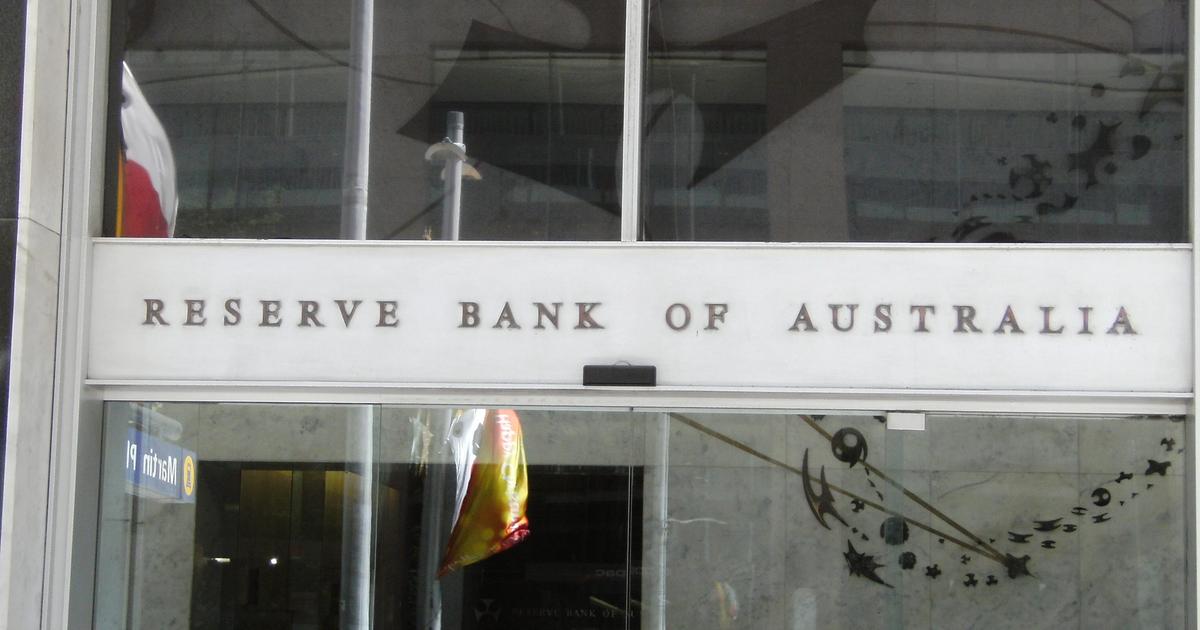
The Reserve Bank of Australia raised its cash rate 25bp to 4.60%, a 15-year high and its fourth hike of 2026, citing energy-driven inflation risks.
What happened
The Reserve Bank of Australia raised its cash rate target by 25 basis points to 4.60% on Tuesday 29 September, the highest level since 2011. It is the fourth increase this year. The nine-member board voted unanimously, and all four major Australian banks had forecast the move.
Upside risks to inflation, the board said, had materialised since August. It pointed to higher energy prices linked to the Middle East conflict and to inflation that remains above target. Recent monthly data put headline inflation at 3.5% and core inflation at 3.6%, against a 2-3% target band.
Guidance kept the door open to more tightening. The board said it would "continue to do what it considers necessary to bring inflation sustainably back to target, including increasing the cash rate target further if needed."
Key points from the decision:
- Cash rate: 4.60%, up from 4.35%
- Vote: unanimous
- 2026 total: four increases
- Next meeting: November, where ANZ expects a fifth hike
Why it matters
Australia is the latest developed economy where energy costs have pushed central banks back towards tightening. The Reserve Bank of Australia now sits alongside the European Central Bank, which raised its deposit rate to 2.50% earlier this month, in responding to the same oil-driven price pressure. Markets are also pricing a high chance of another Federal Reserve hike in October, with the US 10-year Treasury yield at a 19-year high.
For investors with cross-border holdings, the decision has three direct effects:
- Currency: higher Australian rates change the return on Australian dollar assets for investors who report in euros, dollars or kronor
- Fixed income: existing Australian bonds lose value as yields rise, while new issues pay more
- Housing and credit: Macquarie Bank said it would lift variable home loan rates by 0.25 percentage points from 15 October, which reduces household cash flow and borrowing capacity
What to watch next
Australia publishes new inflation data on 30 September, the day after the decision. A reading above the board's forecast would strengthen the case for a November move. A softer print would test the view, held by some economists, that a fifth hike is close to certain.
Sweden sits on the other side of this cycle for now. Riksbanken held its policy rate at 1.75% last week but raised the odds of a hike later this year. Finansinspektionen has not changed its stance on household debt, and Swedish variable-rate mortgages reprice quickly if the Riksbank follows.
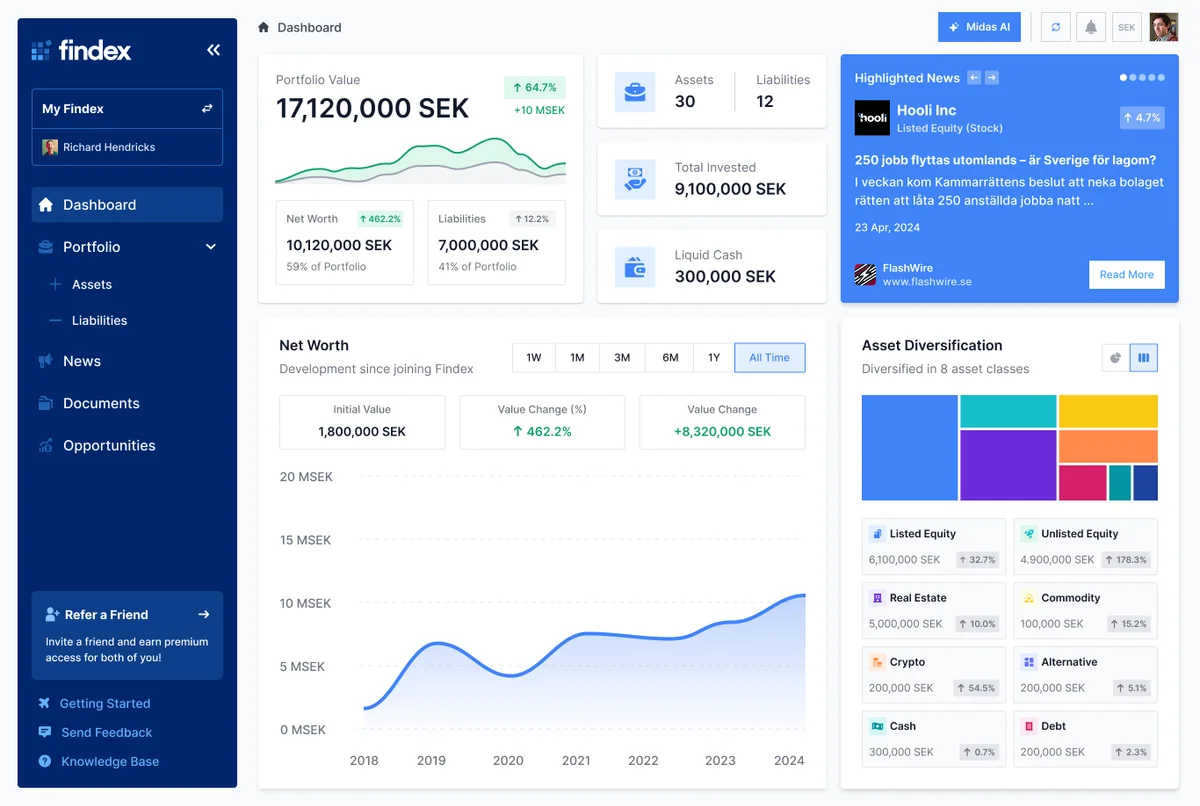
Investors with assets in several currencies need each holding's local rate path in one view. Portfolio trackers that consolidate accounts across countries make it easier to see where the rate exposure sits.
Keep reading
Related trends

Oil and Bond Yields Surge as Trump Rejects Iran's Hormuz Proposal
Trump's rejection of Iran's Hormuz proposal sent oil toward $107 a barrel and pushed the 10-year Treasury yield to its highest level since 2007.
Global Bond Selloff Pushes 30-Year Treasury Yield to Highest Since 2004
A worldwide bond selloff has pushed US 30-year Treasury yields to their highest since 2004, driven by inflation, deficits and rising oil prices.

Global Stocks Rally as US Delays New Tariffs Ahead of Trump-Xi Summit
Global stocks rallied Monday as the US delayed new tariffs ahead of Thursday's Trump-Xi summit, with AI and semiconductor stocks leading gains.
Your complete net worth, finally in one place.
Join investors using Findex to consolidate, track, and grow their portfolios. One view of everything you own.
No payment information required.