
Global Stocks Rally as US Delays New Tariffs Ahead of Trump-Xi Summit
Global stocks rallied Monday as the US delayed new tariffs ahead of Thursday's Trump-Xi summit, with AI and semiconductor stocks leading gains.
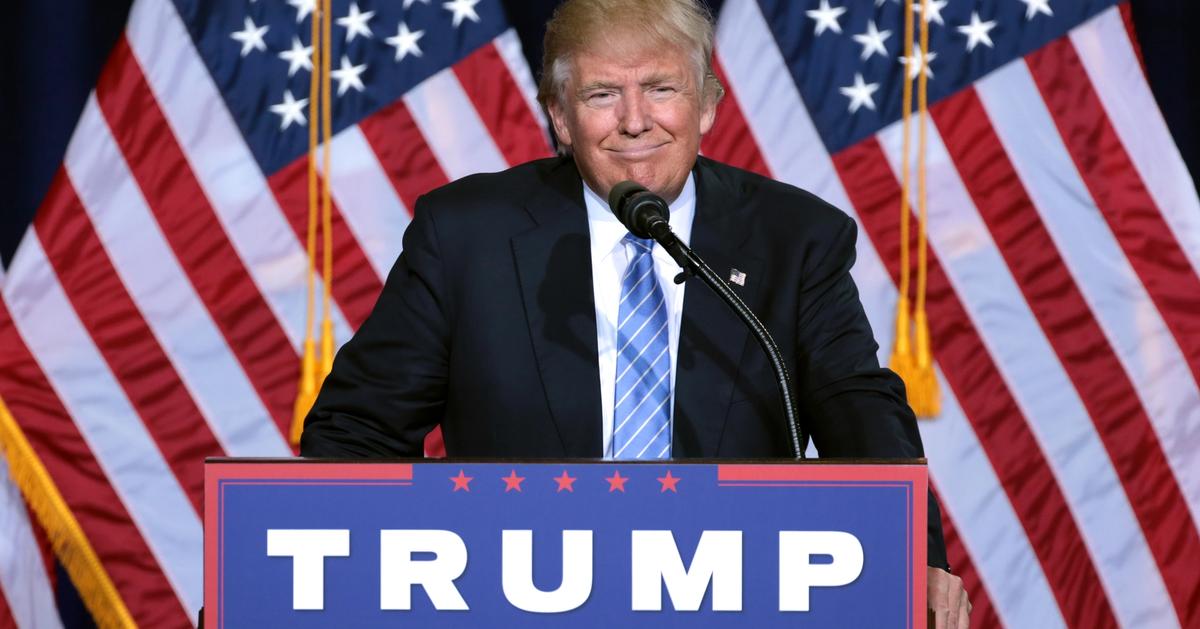
Global stocks rose on Monday after Bloomberg reported that Washington will delay an announcement on new tariffs tied to manufacturing overcapacity until after Thursday's summit between US President Donald Trump and Chinese President Xi Jinping. The delay lifted risk appetite across Asia, Europe and the US, with technology shares leading gains.
What happened
S&P 500 futures rose 0.6% and Nasdaq 100 futures climbed 0.8% ahead of the US open, putting the Dow on track to snap a third straight weekly loss. European markets followed the same pattern: Euro Stoxx 50 futures gained 0.64%, the FTSE 100 added 0.28% and the DAX rose 0.57%. Stockholm's OMXS30 opened higher too, with one analyst forecasting a new record within one to five weeks.
Brent crude fell for a fourth consecutive day, its longest losing streak in three months, adding to the broader risk-on mood.
The summit, set for September 24 in Washington, brings Trump and Xi together for talks covering tariffs, rare earth exports and semiconductor access. Reports point to discussions on tariff reductions covering roughly $30 billion in goods. A state dinner is planned with attendees including Nvidia chief executive Jensen Huang, Apple chief executive Tim Cook and OpenAI chief executive Sam Altman.
US Trade Representative Jamieson Greer has said Washington intends to manage the relationship rather than negotiate a comprehensive deal, a signal that tempers expectations for a sweeping agreement.
Why it matters for investors
Markets are pricing tariff relief as a green light for the AI and semiconductor trade that has driven much of 2026's returns. That creates a concentration risk few retail portfolios are built to absorb: a portfolio overweight in a handful of AI-linked names can move 1-2% on a single geopolitical headline, independent of the underlying businesses' fundamentals.
Monday's session in numbers:
- S&P 500 futures: +0.6%
- Nasdaq 100 futures: +0.8%
- Dow futures: +0.5%, after a third straight weekly loss
- Brent crude: down for a fourth straight day
Semiconductor and AI chip export rules remain the harder issue on the table. Any change to sales restrictions into China would carry a more direct earnings impact for chipmakers than broader cooperation language, so the summit outcome matters more for some holdings than others.
What to watch next
Tariff relief or an agreement to keep talking would likely support semiconductors, industrials and import-dependent retailers, and could ease inflation expectations priced into bonds. New tariff threats, tighter technology restrictions or a dispute over Taiwan would likely strengthen the dollar, pressure emerging markets and push volatility higher into the fourth quarter.
Investors holding concentrated AI and semiconductor positions face a binary week ahead of Thursday. A consolidated view across brokers and accounts makes that concentration visible before a single headline forces the question.
Keep reading
Related trends
RBA Raises Cash Rate to 4.60%, a 15-Year High, on Energy-Driven Inflation
The Reserve Bank of Australia raised its cash rate 25bp to 4.60%, a 15-year high and its fourth hike of 2026, citing energy-driven inflation risks.

Oil and Bond Yields Surge as Trump Rejects Iran's Hormuz Proposal
Trump's rejection of Iran's Hormuz proposal sent oil toward $107 a barrel and pushed the 10-year Treasury yield to its highest level since 2007.
Global Bond Selloff Pushes 30-Year Treasury Yield to Highest Since 2004
A worldwide bond selloff has pushed US 30-year Treasury yields to their highest since 2004, driven by inflation, deficits and rising oil prices.
Your complete net worth, finally in one place.
Join investors using Findex to consolidate, track, and grow their portfolios. One view of everything you own.
No payment information required.