
Chip Stocks Suffer Steepest One-Day Drop Since July as Selloff Spreads to Asia
Chip stocks posted their steepest one-day drop since July as rising bond yields and AI valuation concerns spread from Wall Street into Asian markets.
The Philadelphia Semiconductor Index fell 5.6% on Tuesday, its steepest one-day drop since July, as investors pulled back from the artificial intelligence trade that has driven much of this year's stock market gains. The selloff spread into Asia on Wednesday, with South Korea's Kospi index down 5.42% and Samsung Electronics and SK Hynix both losing more than 5%.
What Happened
Chip stocks tied to AI infrastructure led Tuesday's decline on Wall Street. Micron Technology dropped 7%, Advanced Micro Devices fell 4% to $487.89, Nvidia slid 2.19%, and Broadcom lost close to 2%. The losses carried into Wednesday's Asian trading session:
- South Korea's Kospi fell 5.42% to 6,497.81, after dropping as much as 6.4% intraday
- SK Hynix lost 6.56% in Seoul and 9.2% in its US-traded shares
- Samsung Electronics declined 5.40%
- MSCI's Asia Pacific equities benchmark slid 2%
Two forces combined to trigger the reversal. The 30-year Treasury yield climbed toward its highest level since 2007, raising the discount applied to future tech earnings and the financing cost of the AI data centre buildout. Separately, a Jefferies note on Advanced Micro Devices' AI roadmap suggested the company may be closing the gap with Nvidia in parts of the AI server market, unsettling investors who had priced in Nvidia's lead as durable.
Why It Matters
The scale of the reversal shows how concentrated recent market gains have become. South Korea's Kospi swung from a bear market into a bull market in just over a month this summer, driven largely by SK Hynix and Samsung's exposure to AI memory chips. That concentration cuts both ways: the same names that powered index gains through July are now dragging benchmarks lower as sentiment shifts.
Investors holding global index funds or US tech-heavy ETFs inside pension accounts, ISKs, or brokerage portfolios often carry more of this exposure than they realise. AI-linked semiconductor names now represent an outsized share of major indices, so a single-sector correction can move a diversified-looking portfolio more than expected.
Context and What to Watch Next
Rising bond yields are doing double duty this week. They raise the discount rate applied to future earnings, and they increase the financing cost of the AI infrastructure spending that has underpinned chip demand. A 60-day ceasefire tied to the wider Middle East conflict also expired without resolution, pushing Brent crude above $91 a barrel and adding to the risk-off tone across markets.
The next signals to watch are AI infrastructure capital expenditure disclosures from the large hyperscalers and further moves in long-dated Treasury yields, which have been a more consistent driver of this week's volatility than any single company's results.
Portfolio trackers that consolidate holdings across brokers and funds make it easier to see how much of a portfolio's total value sits in a handful of correlated positions, a concentration that becomes harder to ignore in weeks like this one.
Keep reading
Related trends
AMD Joins the $1 Trillion Club as AI Chip Rally Broadens Beyond Nvidia
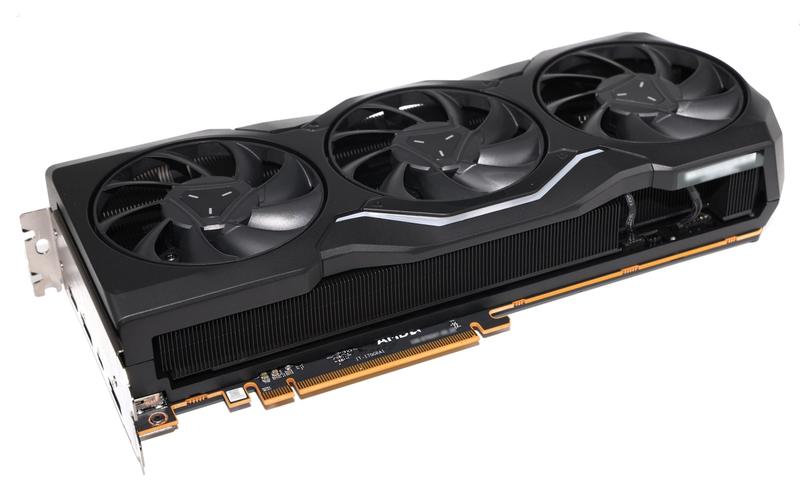
AMD briefly topped a $1 trillion market cap Monday, joining Nvidia, Broadcom and Micron as AI chip demand broadens beyond graphics processors.

John Ternus Becomes Apple CEO as Tim Cook Steps Into Chairman Role
John Ternus becomes Apple CEO on September 1, ending Tim Cook's 15-year run, as investors weigh what the leadership change means for index-heavy portfolios.

Nvidia Jumps 7% on Blowout Earnings, Deepening Its Grip on the S&P 500
Nvidia's fiscal second-quarter results and a 70% revenue growth forecast lifted global chip stocks and pushed its S&P 500 weighting toward a record 7.8%.
Your complete net worth, finally in one place.
Join investors using Findex to consolidate, track, and grow their portfolios. One view of everything you own.
No payment information required.