Sweden's Riksbank Holds Rate at 1.75% as Odds of a 2026 Hike Rise
Riksbanken held its policy rate at 1.75%, the lowest in the EU, but signalled rising odds of a hike this year as inflation and energy pressures build.
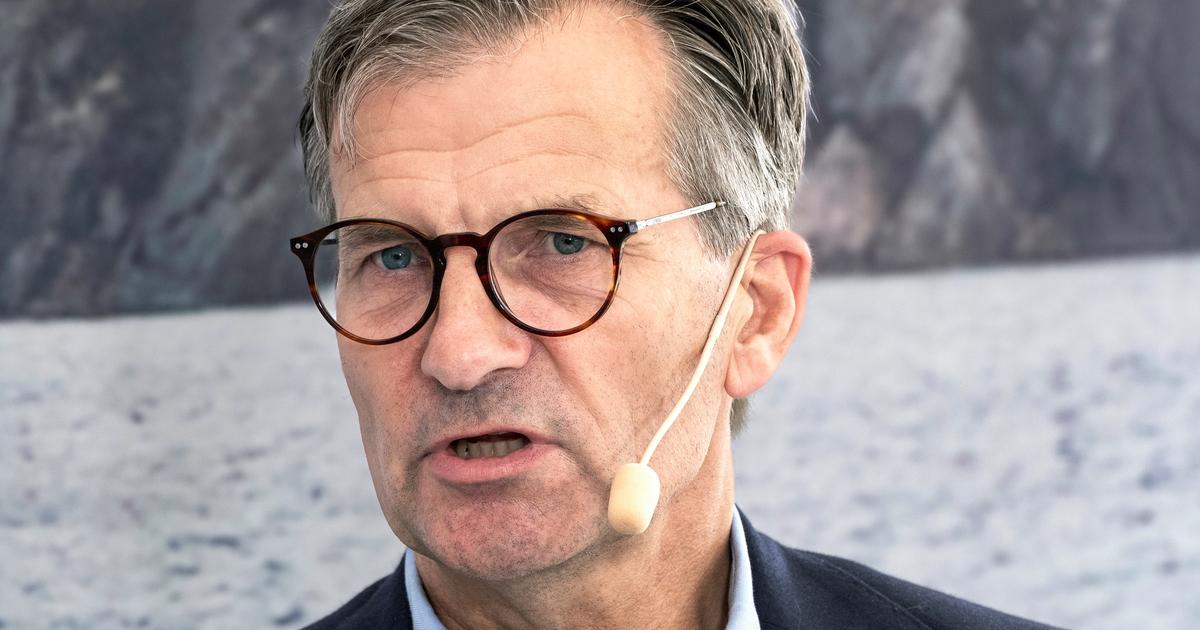
Sweden's Riksbank left its policy rate unchanged at 1.75% on Thursday, the lowest level among European Union central banks, and signalled a rising chance of an interest rate increase before the end of the year. All 18 economists surveyed by Bloomberg had forecast the hold.
What happened
The Riksbank's executive board met in Gothenburg, with the decision published alongside a monetary policy report and a press conference at the West Sweden Chamber of Commerce. The board held the rate at 1.75% for a third consecutive meeting.
Growth and inflation both ran above the Riksbank's June forecasts over the summer. Three factors kept the board from moving immediately:
- Corporate pricing plans stayed subdued, limiting near-term pass-through to consumer prices
- Global supply chain disruptions eased compared with earlier in the year
- The labour market was weaker than expected, reducing wage-driven inflation risk
The board flagged that supply shocks tied to Middle East tensions, higher energy and commodity prices, and a weaker krona could still push underlying inflation higher than the June path assumed. That combination is why the Riksbank raised, rather than lowered, its assessment of the odds of a hike this year.
Why it matters
A steady policy rate offers short-term predictability for Swedish mortgage holders and gives small and mid-sized businesses room to restart investment delayed by high financing costs, particularly in construction. But the signal embedded in Thursday's statement points the other way for anyone holding Swedish fixed income, rate-sensitive equities, or property-linked assets: the rate path from here is more likely up than flat.
The weaker krona compounds the picture. It helps Swedish residents earning income in other currencies, but squeezes import-dependent businesses and adds to the inflation pressure the Riksbank is watching.
For portfolios that mix Swedish equities, bonds, and property exposure, a shifting rate path changes the return profile of each asset class differently. Tracking those holdings in one consolidated view makes it easier to see how a single rate decision reshapes total net worth, not just one account.
What to watch next
Analysts are not aligned on how far the hiking cycle will run:
- Nordea expects a rise to 2.00% in November, a hold in December, then 2.25% in February 2027, which it sees as the peak
- Swedbank agrees on the near-term path but projects a higher peak of 2.43% by the first quarter of 2028, implying close to three further hikes
- Lannebo argues markets are pricing roughly five hikes, well above the Riksbank's own signal of around three
The next policy decision falls in November. Until then, energy prices, the krona's trajectory, and incoming inflation data will determine whether the Riksbank's "greater probability" of a hike turns into an actual move this year.
Keep reading
Related trends

Sweden's Election Leaves Bank Tax Risk in Limbo as Final Count Runs to Thursday
Sweden's razor-thin election left a bank tax proposal in doubt, with Swedbank, Handelsbanken and SEB shares rallying on reduced political risk.
Sweden's Riksbank Holds Rate at 1.75% for Seventh Straight Meeting
Sweden's Riksbank held its rate at 1.75% for a seventh straight meeting and kept a hike on the table if Middle East tensions push up inflation.
Nordnet Posts Record Quarter as Nordic Broker Passes 2.5 Million Customers
Nordnet's operating profit rose 33% in Q2 as the Nordic broker passed 2.5 million customers, widening its lead over rival Avanza across four markets.
Your complete net worth, finally in one place.
Join investors using Findex to consolidate, track, and grow their portfolios. One view of everything you own.
No payment information required.