
Micron Reports Record $41.5 Billion Revenue as AI Memory Demand Outpaces Supply
Micron beat Q3 estimates by 16%, posting $41.5B in revenue and 84.9% gross margins as HBM4 sells out and the Anthropic deal secures long-term demand.
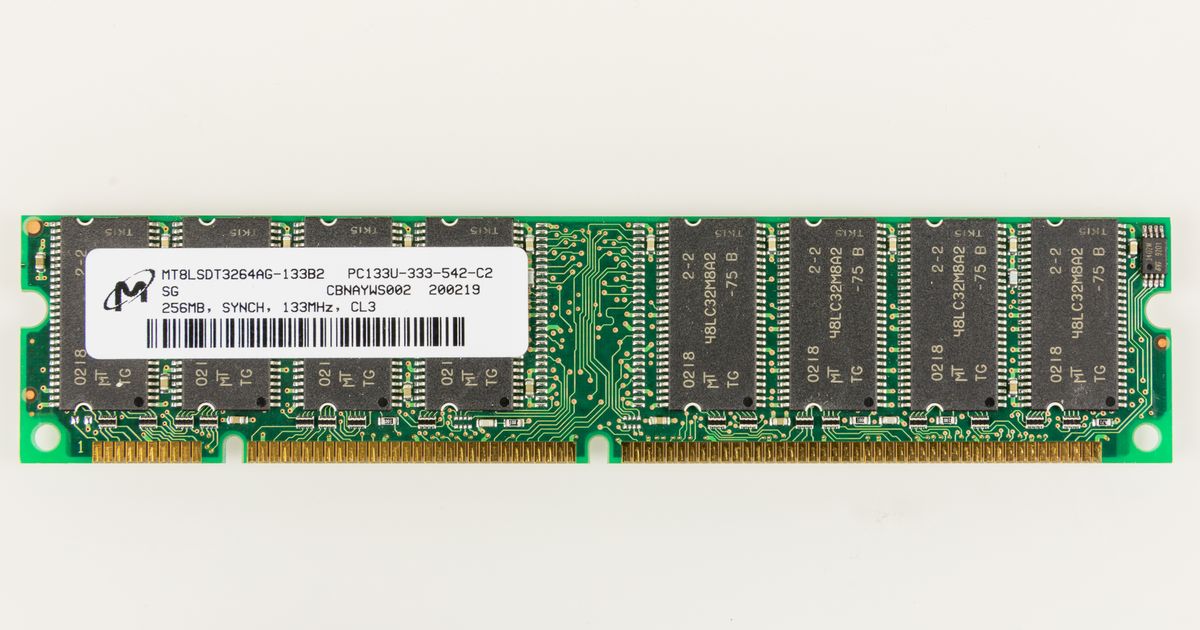
Micron Technology on Wednesday reported quarterly revenue of $41.5 billion, beating analyst estimates by 16%, as AI data centre demand for high-bandwidth memory pushed gross margins to a company record of 84.9%. The company simultaneously disclosed a multi-year supply agreement with Anthropic, securing one of the largest AI model developers as a committed long-term buyer.
What Happened
Micron's third-quarter FY2026 results extended a seven-quarter streak of outperforming consensus estimates:
- Revenue: $41.46 billion vs $35.25 billion consensus (16.2% above estimates)
- Non-GAAP EPS: $25.11 vs $20.28 consensus (23.8% above estimates)
- Gross margin: 84.9%, a company record
- Net income: $28.24 billion, up from $1.89 billion a year earlier
The company guided Q4 revenue at $50 billion, plus or minus $1 billion, and non-GAAP EPS at $31, plus or minus $1. Shares rose 14.6% in after-hours trading, reversing a 0.4% decline in the regular session, to reach $1,199.52.
The Supply Constraint at the Core of the Result
The clearest signal in Wednesday's results is not the revenue figure but Micron's supply position. HBM4 production capacity for all of 2026 is now fully allocated. Demand from Nvidia's "Vera Rubin" GPU architecture, which requires Micron's 36-gigabyte, 12-layer HBM4 stack, has consumed available output months ahead of year-end.
AI data centres now account for an estimated 70% of global memory chip production. Micron's Data Center segment, representing 56% of total revenue, posted a fifth consecutive quarterly record. Revenue itself has set records for five straight quarters.
The Anthropic supply deal adds a structural layer. The agreement covers memory and storage supply, co-design of AI infrastructure, and a strategic investment in Anthropic's Series H funding round. It is the first direct procurement agreement between a memory chipmaker and a frontier AI model developer, a pattern that may define how major AI buyers secure supply going forward.
What This Means for Equity Portfolios
The after-hours rally pulled Asian semiconductor indices higher on Thursday morning. For passive equity investors, the effect is structural rather than cyclical.
Micron crossed a $1 trillion market capitalisation in May. With each index rebalance, its weight in the S&P 500 and Nasdaq 100 increases, mechanically raising the exposure of funds tracking those indices, including the $300 billion QQQ ETF.
The results also closed out a mid-June correction. Micron's shares fell 6.2% alongside Nvidia and AMD in a broad semiconductor selloff on 17 June. That correction is now fully reversed. Investors tracking AI-weighted equity positions saw the drawdown materialise and pass within eight days.
Forward HBM pricing is not disclosed explicitly. With 2026 production fully committed and Q4 margin guidance near Q3 levels, pricing appears firmer than the consensus had assumed heading into the results.
Keep reading
Related trends
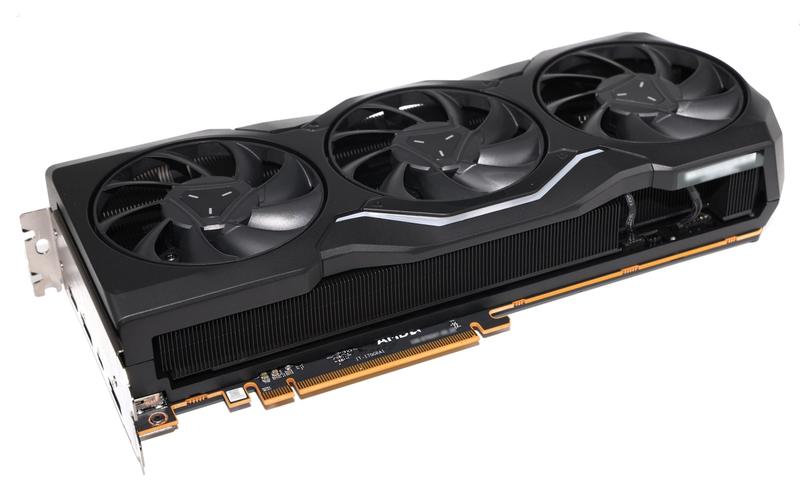
AMD Joins the $1 Trillion Club as AI Chip Rally Broadens Beyond Nvidia
AMD briefly topped a $1 trillion market cap Monday, joining Nvidia, Broadcom and Micron as AI chip demand broadens beyond graphics processors.

John Ternus Becomes Apple CEO as Tim Cook Steps Into Chairman Role
John Ternus becomes Apple CEO on September 1, ending Tim Cook's 15-year run, as investors weigh what the leadership change means for index-heavy portfolios.
Nvidia Jumps 7% on Blowout Earnings, Deepening Its Grip on the S&P 500
Nvidia's fiscal second-quarter results and a 70% revenue growth forecast lifted global chip stocks and pushed its S&P 500 weighting toward a record 7.8%.
Your complete net worth, finally in one place.
Join investors using Findex to consolidate, track, and grow their portfolios. One view of everything you own.
No payment information required.