
SpaceX Pulls Back 22% From Record High in First Post-IPO Test
SpaceX shares fell 22% from their all-time high of $225 to $175, but SPCX remains 37% above the $135 IPO price. Here’s what moved the stock.
SpaceX shares posted their steepest two-day decline since listing, falling from an all-time high of $225.64 on June 16 to $174.90 by June 18. The 22% retreat brought the stock to within range of analyst pre-listing targets and marked the first real test of SpaceX’s valuation as a public company.
SPCX still closed its first week 37% above the $135 IPO price. But the drop has prompted questions about what drove the initial surge and what structural factors will shape trading going forward.
What Happened
SpaceX priced its record $75 billion IPO at $135 per share on June 10 and began trading on Nasdaq on June 12 as the largest initial public offering in history. The offering was anchored by $5–10 billion from BlackRock, with around 30% of shares allocated to retail investors via Robinhood, Fidelity, and Schwab.
The first four trading days unfolded with an unusual dynamic: only around 4–5% of SpaceX’s total shares entered the public float at listing. With limited supply resting on offer, even modest buy flows moved the price sharply. SPCX climbed from $135 to $225 in under four sessions, briefly pushing the company’s market capitalisation past $2 trillion.
That changed on June 17, when SpaceX options began trading for the first time. Investors now had a practical mechanism to bet against the stock, and selling pressure that had been absent during the locked-float phase began to emerge.
Why the Stock Dropped
The two-day decline reflects several converging pressures:
- Options market open: Short interest was structurally suppressed before June 17 because there was no liquid instrument to short SPCX. Options created one. Selling pressure appeared within hours of market open.
- Thin float mechanics: With only 4–5% of shares in public hands, price discovery during the debut was compressed on the upside. That same asymmetry applies on the way down.
- Lock-up overhang: The bulk of SpaceX shares, held by Elon Musk, employees, and early investors, remain locked for 180 days. When that window begins to close in late 2026, available supply will expand significantly.
- Macro pressure: The Federal Reserve signalled on June 17 that it may raise interest rates later this year, pushing long-duration growth stocks lower across the Nasdaq. SPCX, trading at a substantial premium to near-term earnings, was disproportionately affected.
What to Watch
Three factors will shape SPCX price action in the months ahead.
Nasdaq-100 inclusion: SpaceX has confirmed it will apply for index membership within 15 trading days of its listing, which would require passive funds tracking the Nasdaq-100 to buy shares at market price, creating a structured demand event.
Lock-up expiry: The 180-day post-IPO lock-up expires in December 2026. If insiders indicate plans to sell, supply will expand substantially and pricing pressure will follow.
AI IPO pipeline: SpaceX is the opening act in what analysts describe as a $3.6 trillion AI and tech IPO wave. OpenAI and Anthropic are both expected to pursue public listings later in 2026. How SPCX trades will anchor price discovery benchmarks for those offerings.
For equity investors with broad Nasdaq exposure, the SpaceX listing adds a new concentration variable: SPCX’s eventual Nasdaq-100 weight will increase portfolio exposure to Elon Musk-linked ventures, carrying company-specific risk beyond the index’s historical technology composition.
Keep reading
Related trends
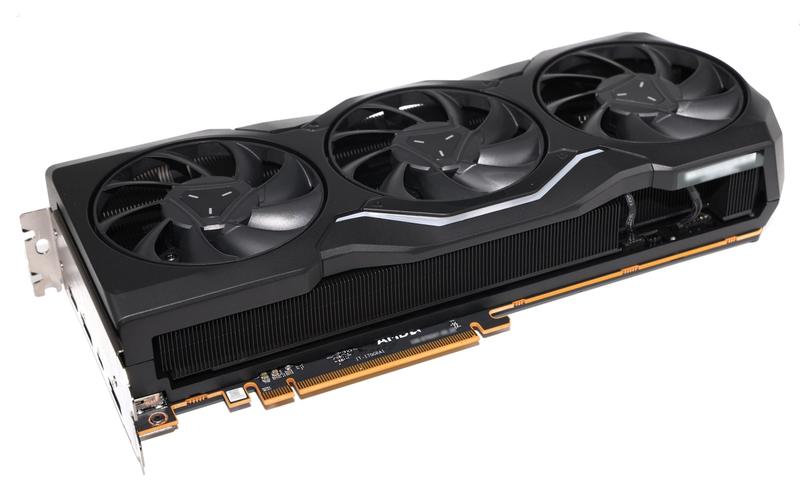
AMD Joins the $1 Trillion Club as AI Chip Rally Broadens Beyond Nvidia
AMD briefly topped a $1 trillion market cap Monday, joining Nvidia, Broadcom and Micron as AI chip demand broadens beyond graphics processors.
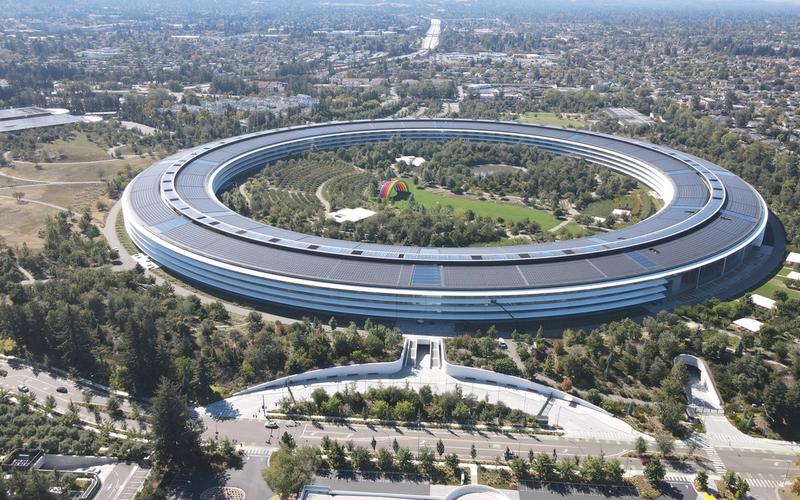
John Ternus Becomes Apple CEO as Tim Cook Steps Into Chairman Role
John Ternus becomes Apple CEO on September 1, ending Tim Cook's 15-year run, as investors weigh what the leadership change means for index-heavy portfolios.
Nvidia Jumps 7% on Blowout Earnings, Deepening Its Grip on the S&P 500
Nvidia's fiscal second-quarter results and a 70% revenue growth forecast lifted global chip stocks and pushed its S&P 500 weighting toward a record 7.8%.
Your complete net worth, finally in one place.
Join investors using Findex to consolidate, track, and grow their portfolios. One view of everything you own.
No payment information required.