
BlackRock's Emerging Markets ETF Beats Vanguard's by 20 Points Over a South Korea Dispute
BlackRock's IEMG returned almost 40% over 12 months versus Vanguard's VWO at 20%, a gap driven entirely by how index providers classify South Korea.
BlackRock's iShares Core MSCI Emerging Markets ETF (IEMG) returned close to 40% in the 12 months to June 30, roughly double the near-20% return of Vanguard's FTSE Emerging Markets ETF (VWO), Bloomberg reported this week. The gap has nothing to do with stock-picking. It comes down to a single, long-running disagreement between two index providers over whether South Korea counts as an emerging market at all.
What happened
MSCI, whose index IEMG tracks, classifies South Korea as an emerging market and reaffirmed that position in its latest annual review. FTSE Russell, whose index VWO tracks, has treated South Korea as a developed market since 2009, arguing the country's high-income economy outweighs lingering restrictions on trading the won. MSCI points to those same currency restrictions as the reason it keeps Korea in the emerging-market camp.
That classification gap has turned into one of the largest performance splits between two funds tracking the same asset class. Over the past 12 months:
- IEMG returned ~40%, more than double VWO's ~20%
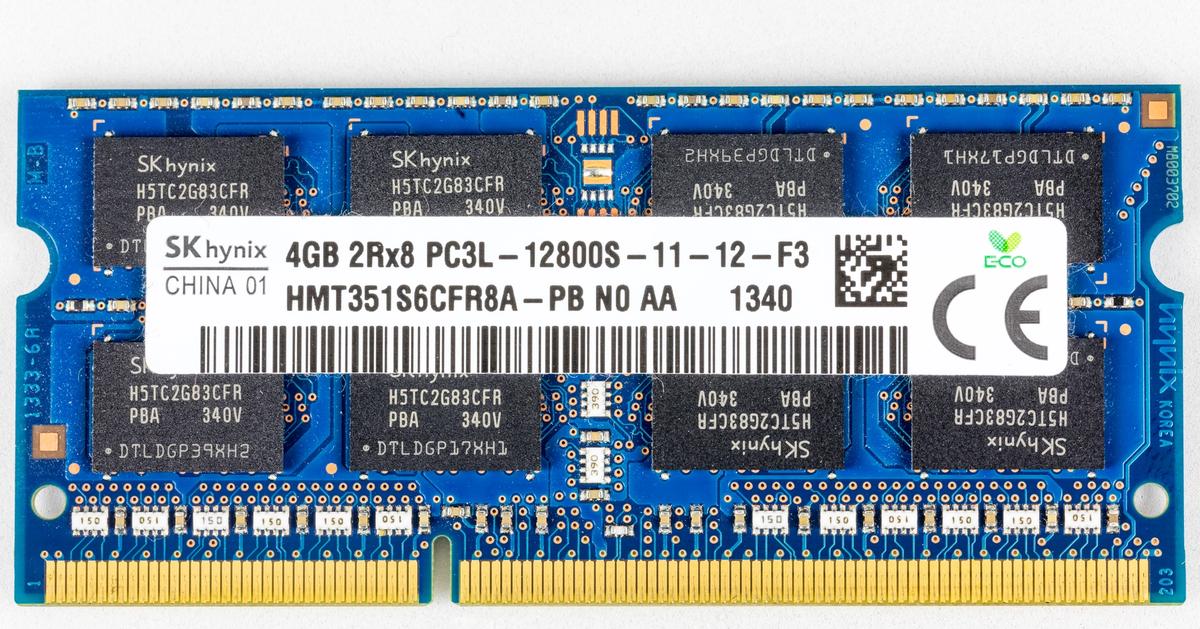
- The Kospi index surged more than 170%, driven by an AI-fuelled rally in Samsung Electronics and SK Hynix
- South Korea now makes up 23% of the MSCI Emerging Markets Index, second only to Taiwan's 27%, and accounted for nearly half the index's total gain over the period
- IEMG has pulled in over $22 billion in net inflows over 12 months, about double VWO's roughly $11 billion. IEMG's assets have grown past $150 billion versus VWO's roughly $120 billion. The two funds were close to equal in size as recently as February 2025
Why it matters
Most investors buying an "emerging markets" fund assume the label is interchangeable across providers. It is not. Two funds with near-identical mandates and fee structures can produce a 20-percentage-point return gap purely because of what their underlying index includes. James St. Aubin of Ocean Park Asset Management put it plainly: an investor who picks a fund on cost alone, without checking the underlying index, can end up with a materially different outcome than a peer who chose a similarly priced alternative.
The mechanism cuts both ways. Korea's AI-driven rally has flattered MSCI-tracking funds this year, but the same classification dispute means any Korean reversal would hit those funds harder too. Investors holding both a Korea-exposed emerging-market fund and a separate Asia-Pacific or semiconductor allocation may also be carrying more concentrated AI exposure than their asset allocation implies.
What to watch next
MSCI conducts its next annual market classification review in June 2027, and Korea's status will again be on the agenda; a reclassification to developed-market status has been debated for over a decade without resolution. Ryan Myers of Causeway Capital Management noted that much of the current investor base still expects Korea to remain in the emerging-market index, but Michael Firestone of Fire Capital Management argued that benchmark selection is set to become a bigger driver of returns across asset classes, not just this one.
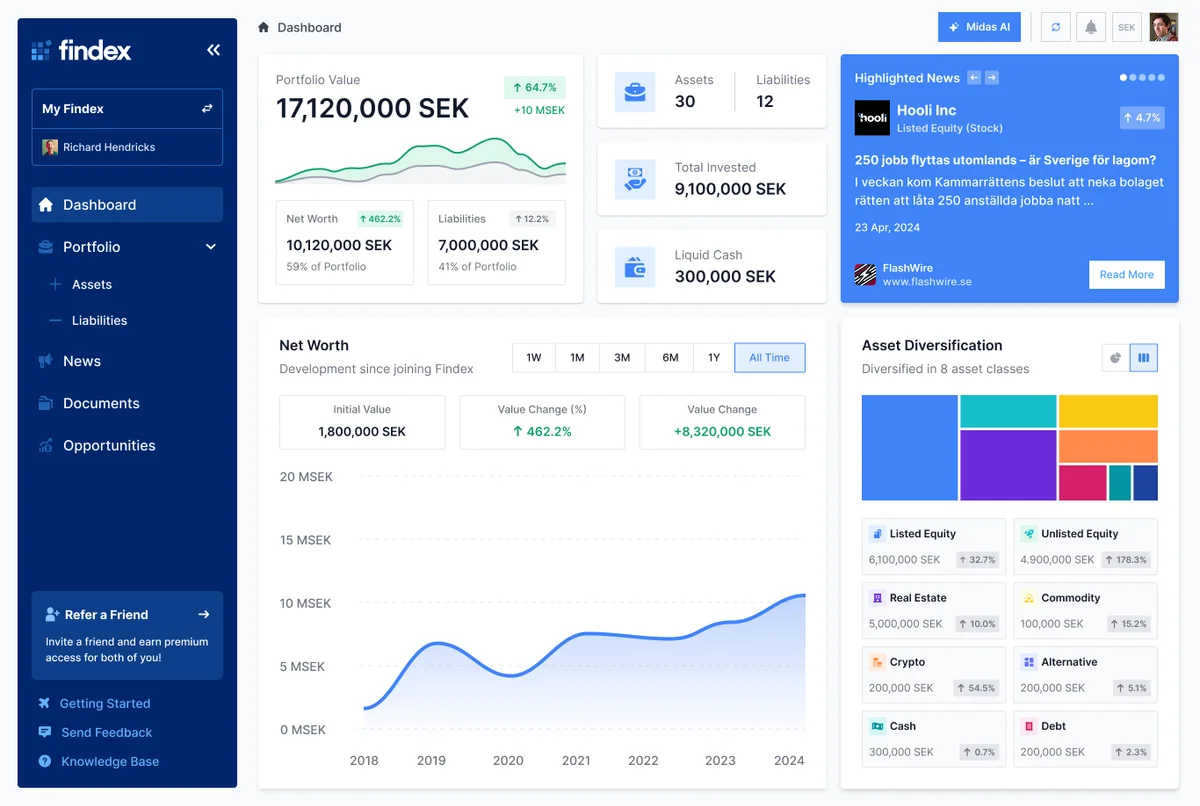
For investors holding multiple index funds across brokers, the practical issue is visibility: a portfolio built from several "emerging markets" or "Asia" funds bought at different times, from different providers, can carry overlapping or conflicting country exposure that is not obvious from any single account statement. A consolidated view of holdings by underlying country and sector, rather than by fund name alone, is the only way to catch that kind of concentration before it shows up in a drawdown.
Keep reading
Related trends
AMD Joins the $1 Trillion Club as AI Chip Rally Broadens Beyond Nvidia
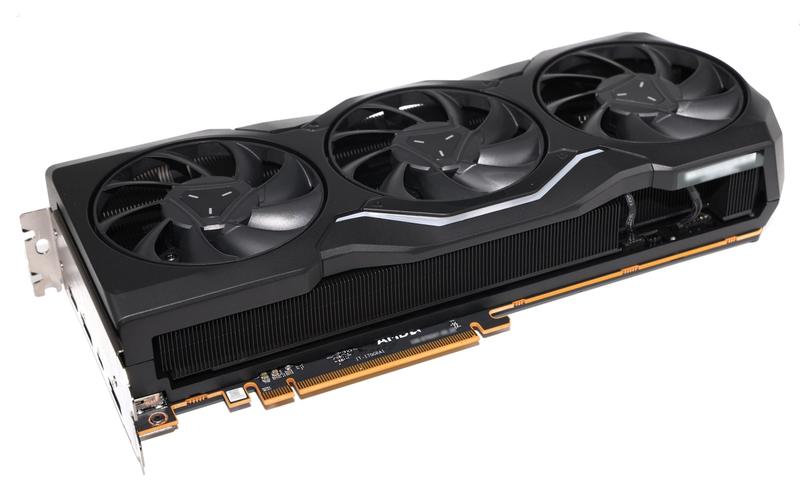
AMD briefly topped a $1 trillion market cap Monday, joining Nvidia, Broadcom and Micron as AI chip demand broadens beyond graphics processors.
John Ternus Becomes Apple CEO as Tim Cook Steps Into Chairman Role
John Ternus becomes Apple CEO on September 1, ending Tim Cook's 15-year run, as investors weigh what the leadership change means for index-heavy portfolios.
Nvidia Jumps 7% on Blowout Earnings, Deepening Its Grip on the S&P 500
Nvidia's fiscal second-quarter results and a 70% revenue growth forecast lifted global chip stocks and pushed its S&P 500 weighting toward a record 7.8%.
Your complete net worth, finally in one place.
Join investors using Findex to consolidate, track, and grow their portfolios. One view of everything you own.
No payment information required.